THE CRAFT
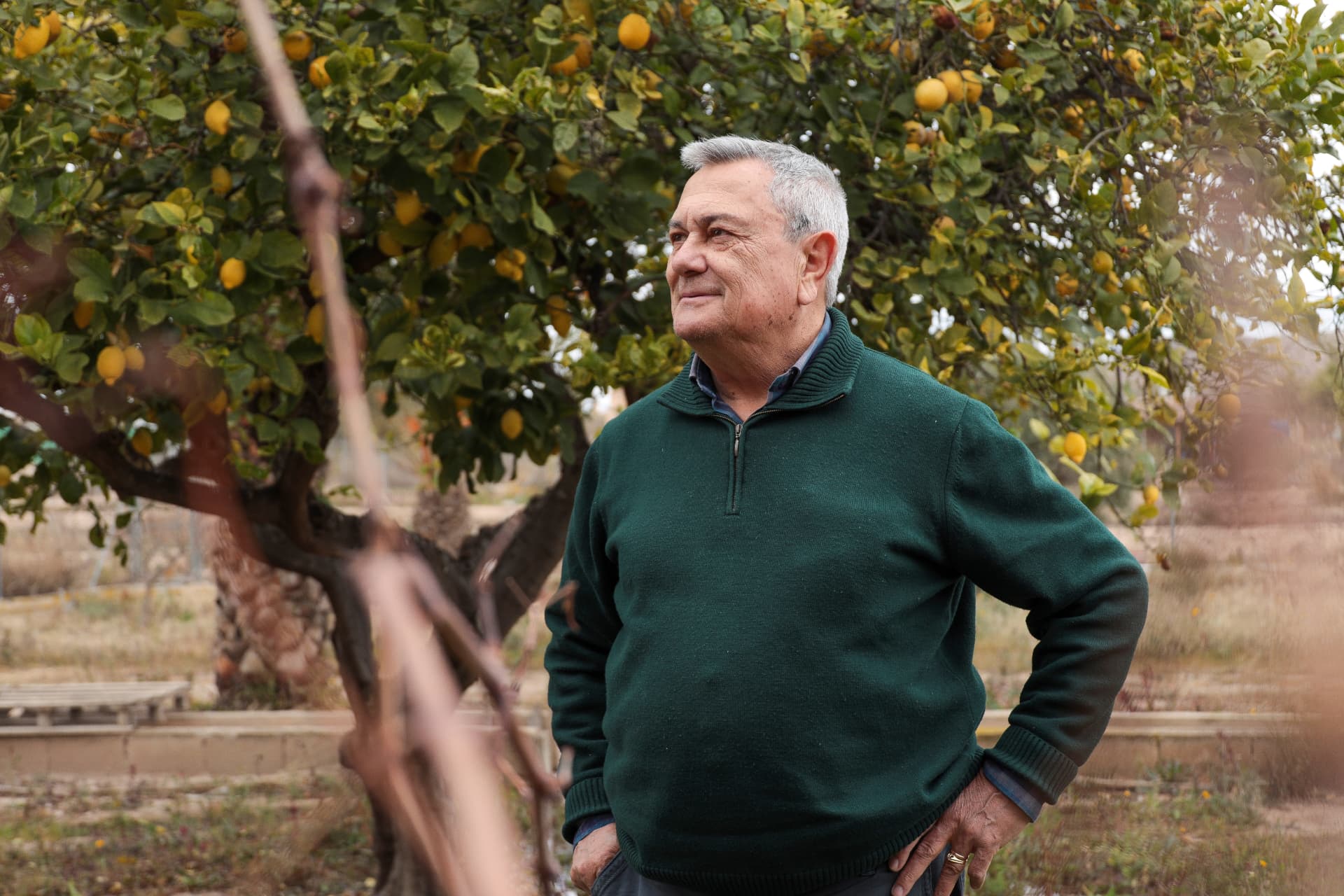
Every harvest is a race against time.
At harvest
The clock starts.
A plant begins to change the moment it is picked. Its aroma loosens; light, warmth, oxygen and enzymes begin their quiet work.
Each harvest is preserved as close to its source as its character requires, then protected on its journey to Home Farm in Somerset.
The aim is to carry as much as possible of the plant's aroma, flavour and natural character into the finished edition.
The first hours
Hold the moment.
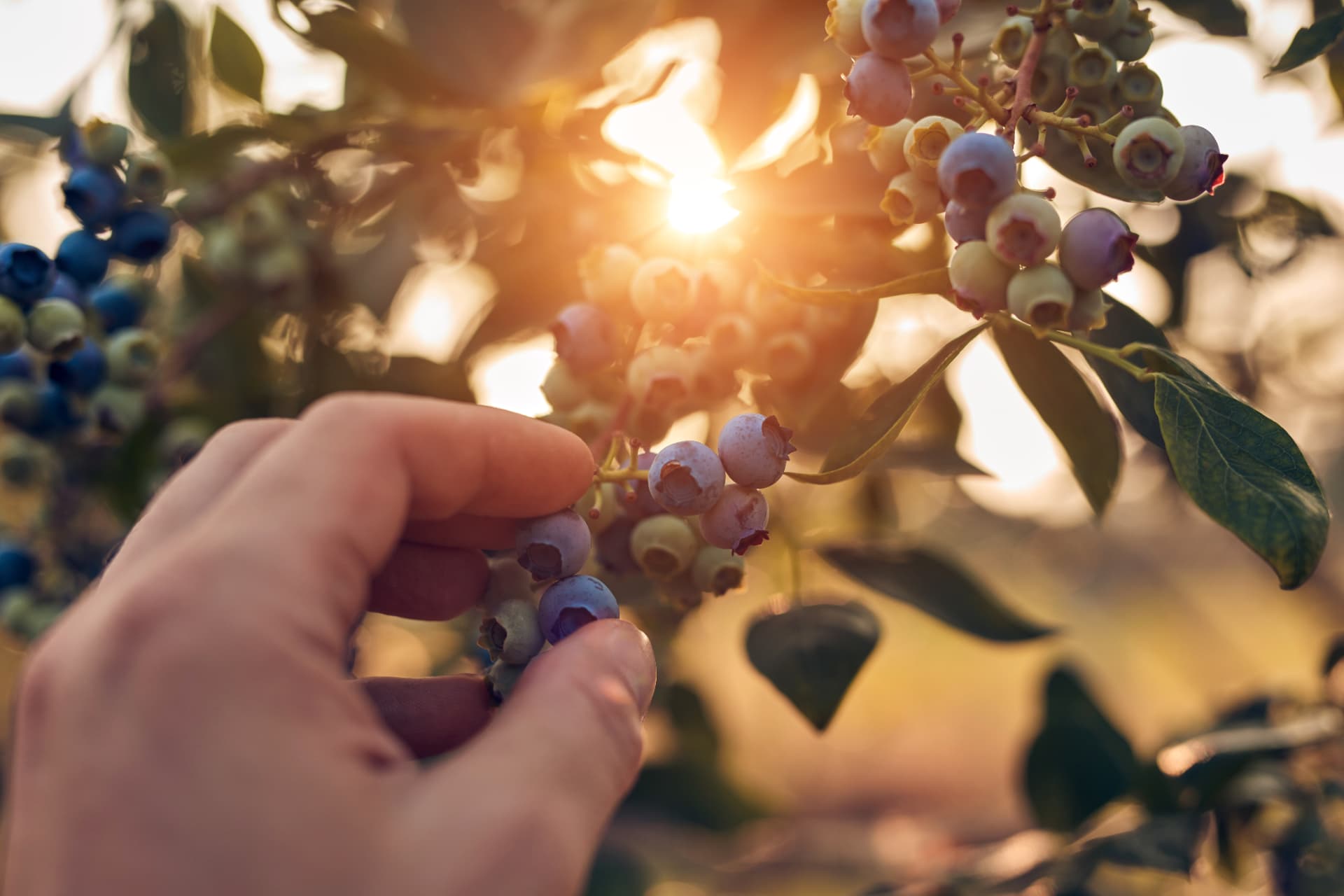
The first decisions are made at harvest: how ripe the plant is, how it is handled, how quickly it travels, and which part holds the character and compounds we want to retain.
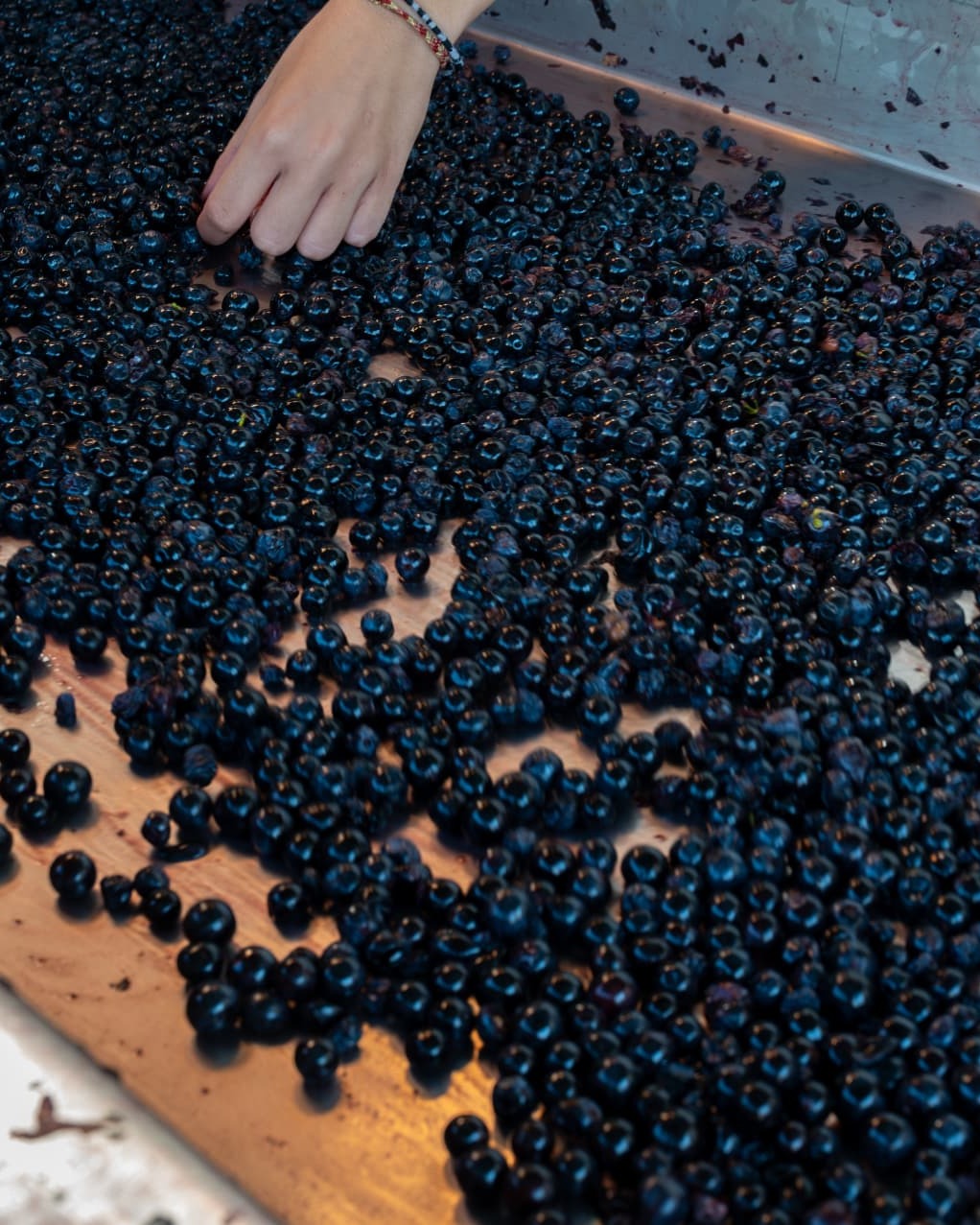
Berries are frozen close to picking. Delicate leaves and flowers are kept cold. Citrus is worked for the aromatic life held in its peel.
Nothing is handled as generic produce. Every material is assessed, recorded and treated according to what it needs in those first, decisive hours.
The workshop
Each plant sets its own process.
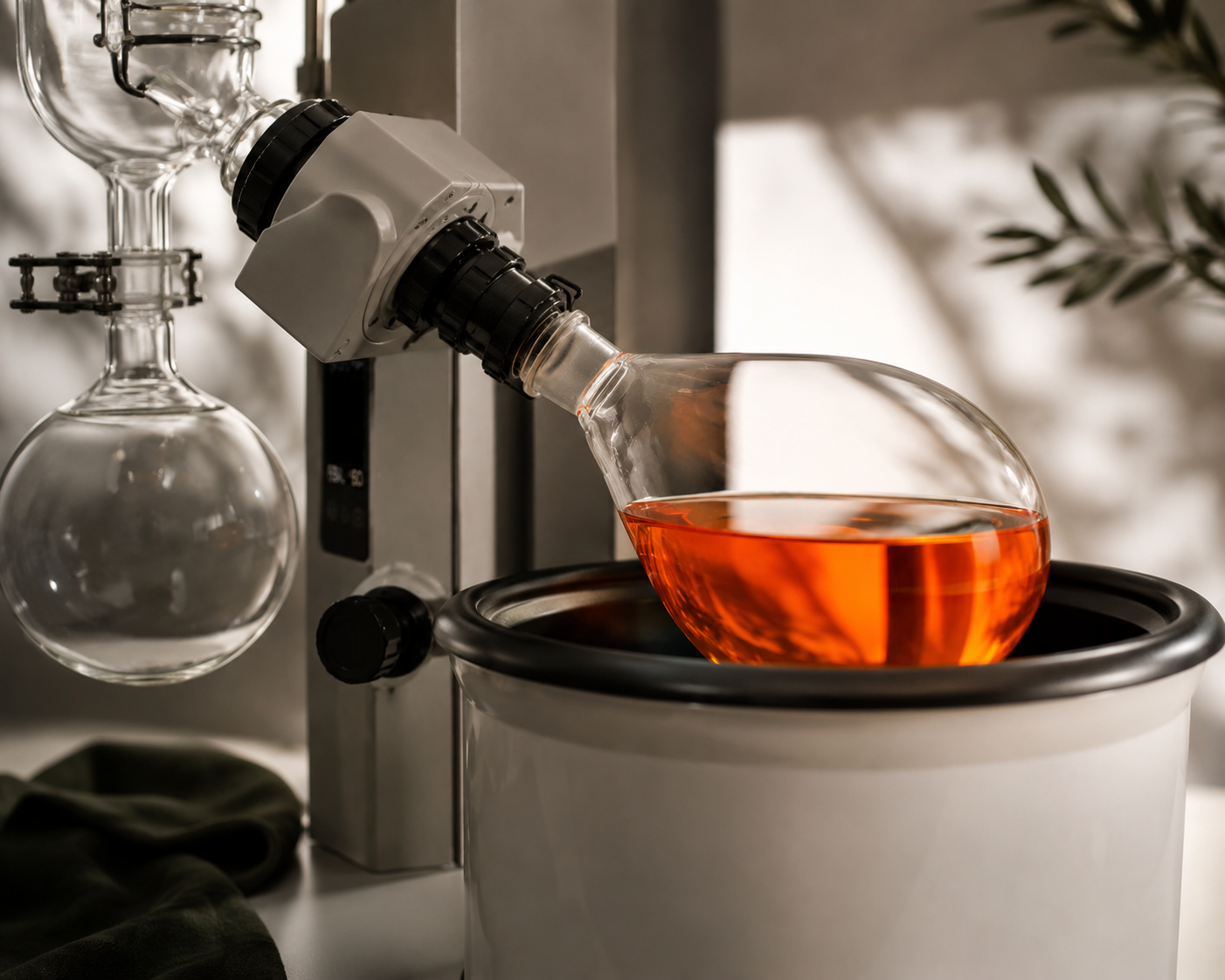
A flower, a leaf, a berry, a peel and a root do not give up their character in the same way. We work with their distinct parts separately: the aromatic oils held in citrus peel, the bright juice and skin of a berry, the volatile character of a flower, the structure of a leaf or root.
From harvest onwards, we protect each material from unnecessary heat, light and oxygen. Some are kept cold; some are frozen close to picking; some are gently concentrated under vacuum, at temperatures far below conventional boiling.
The work is a sequence of small decisions: what to keep whole, what to separate, when to extract, how far to concentrate, and when to stop.
Cooling, vacuum, time and analysis are not the story in themselves. They are the tools that let us interfere as little as possible.
There is no universal recipe.
The composition
Built at the bench.
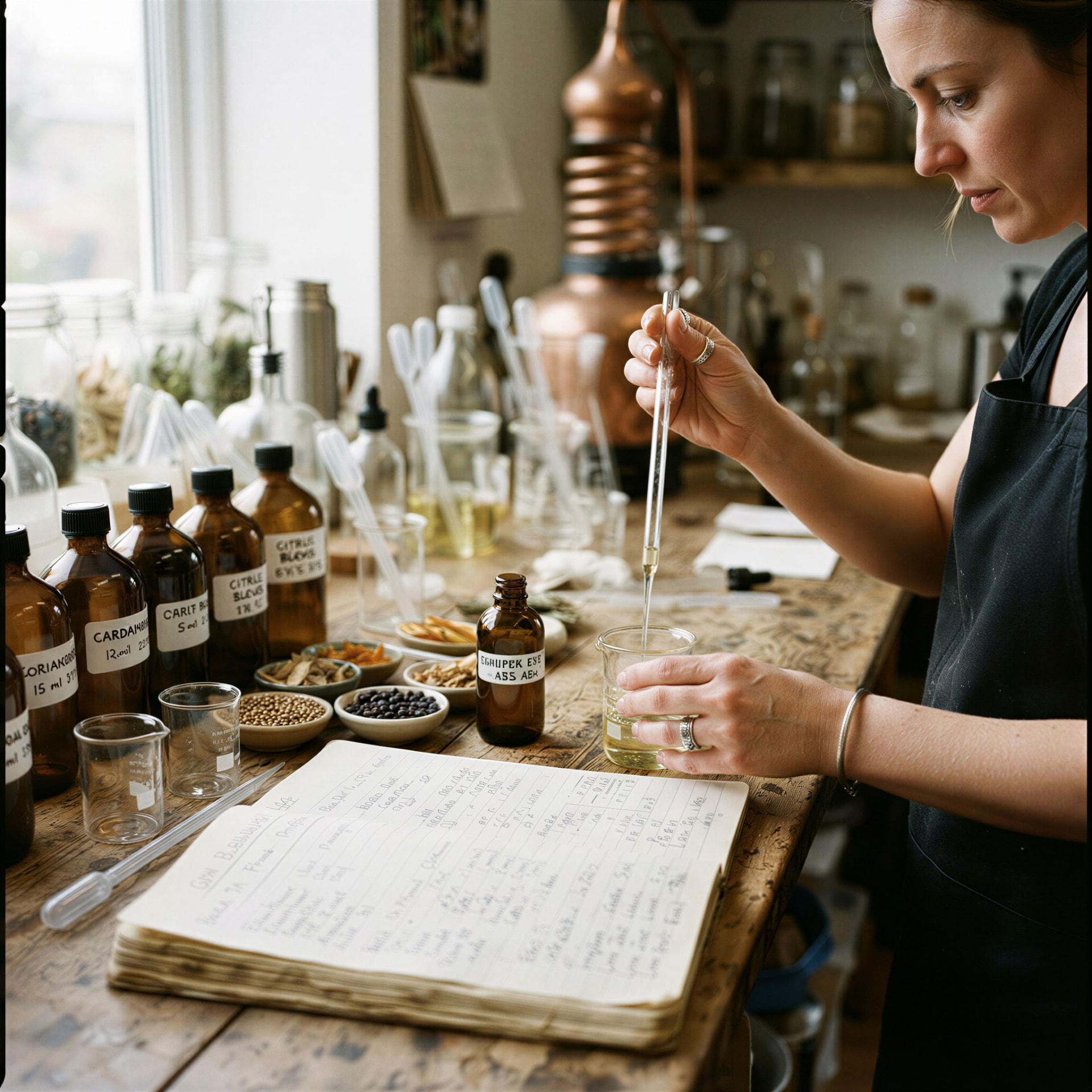
The preserved fractions come together slowly. We begin with aroma, then build fruit, texture, acidity, bitterness and length around it.
A small change to one fraction can alter the whole: a little more peel can lift a berry; a leaf can give structure; a trace of bitterness can make the finish longer and more complete.
The work is guided by nose, palate and repetition until each plant is at its most expressive.
We stop when the edition is right—not when a production target has been reached.
One harvest. One composition. One finite release.
INDEPENDENT ANALYSIS
What remained.
Analysis is not the starting point. It is how we check our work.
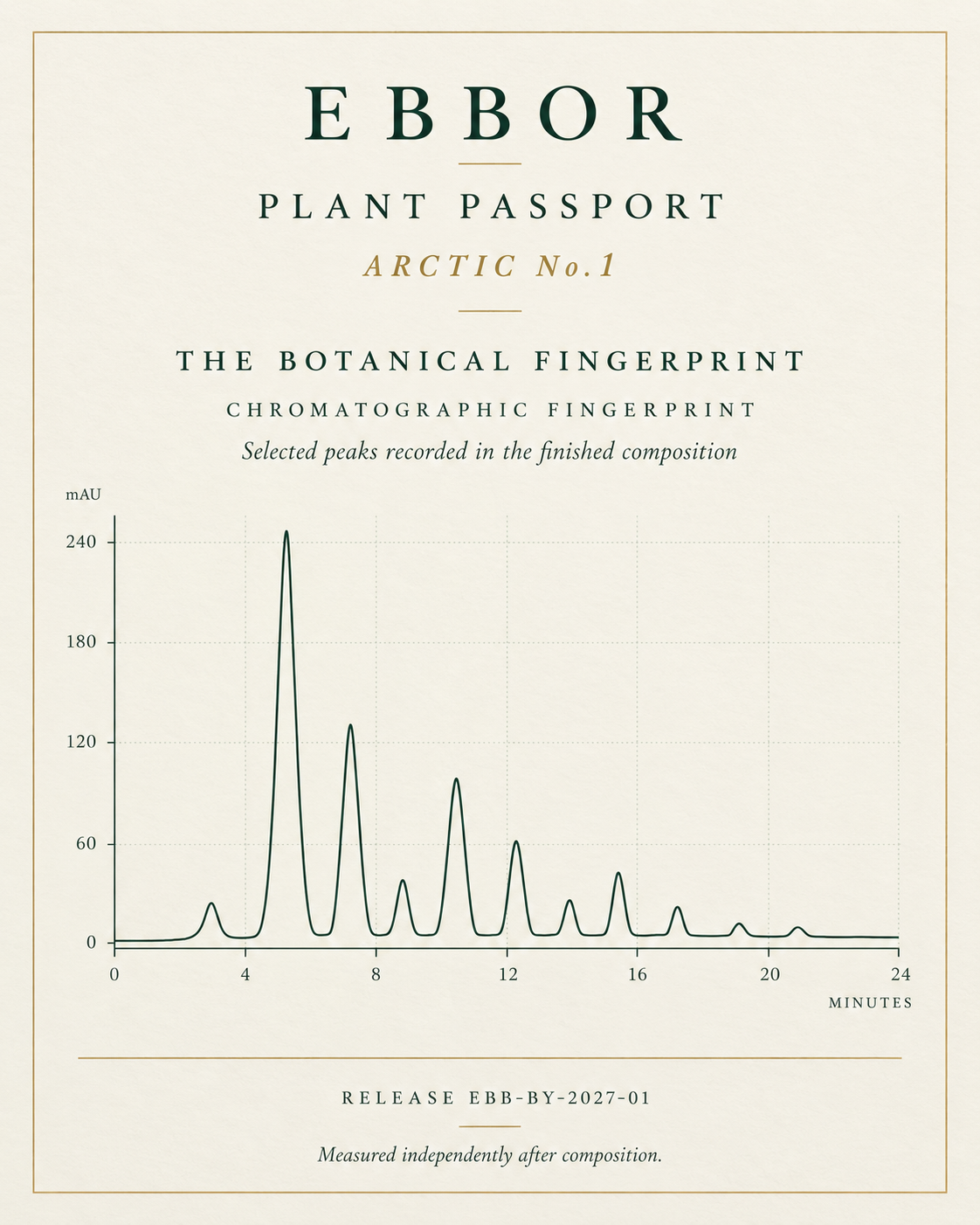
When an edition is complete, an independent laboratory analyses a sealed pouch from that release.
The result sits alongside our harvest records: cultivar, grower, landscape, harvest lot, handling after harvest and sensory character. Together, they form the Plant Passport for that edition.
The Passport records its plants, provenance and selected compounds measured in the finished composition.