Place
Where a plant grows matters.
A plant's chemistry is shaped by more than its variety.
Sunlight, temperature, moisture, altitude and soil can all influence what it becomes.
We look for plants in the places where they have the potential to become extraordinary.
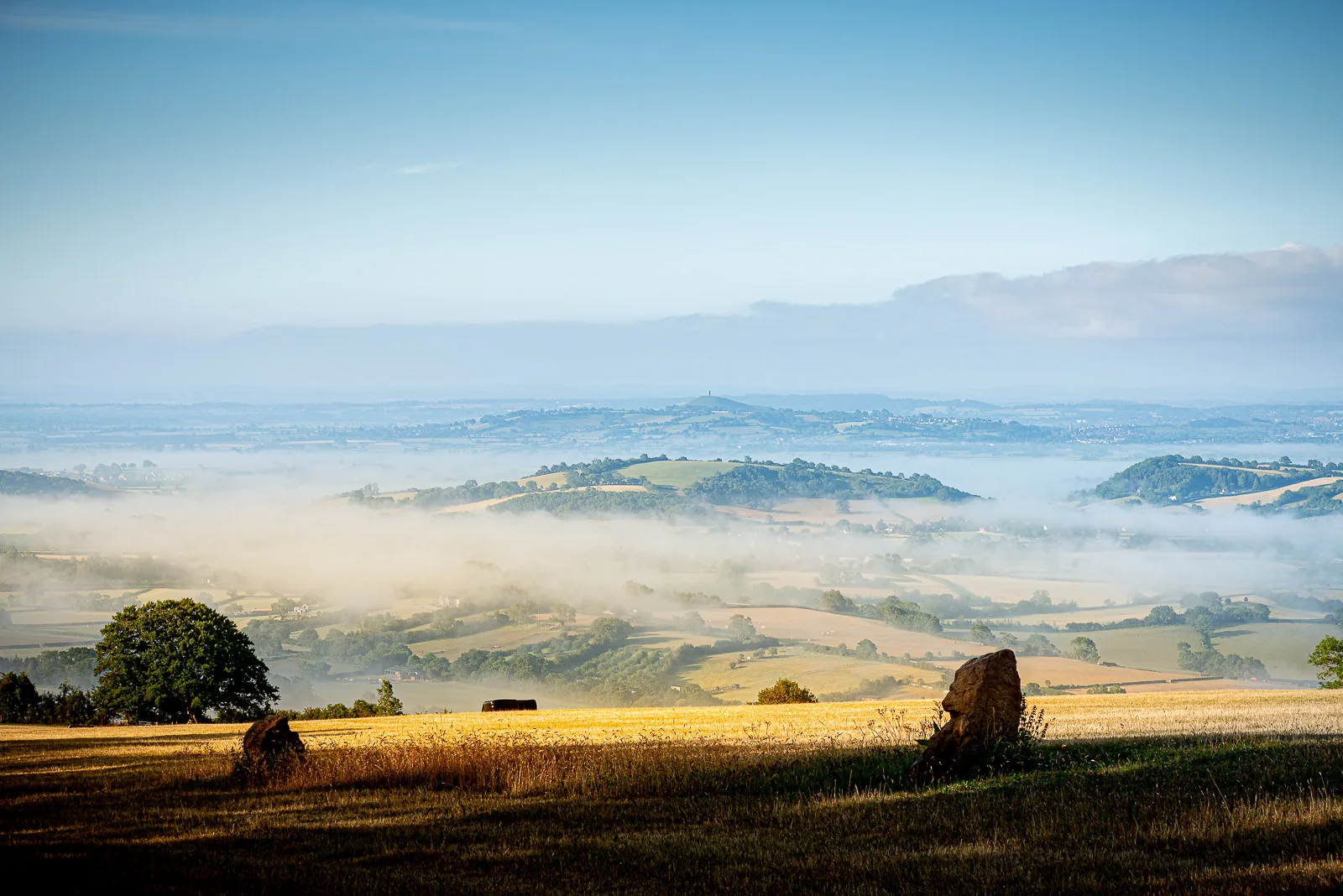
Somerset · England
Where Ebbor began.
Beneath Ebbor Gorge in Somerset is our farm and is where our story began.
Here we're building a living collection of trees, berries, fruits and herbs.
It's a place to grow, observe and experiment less than a mile from our laboratory. To see how plants develop and to understand the possibilities and limitations of each plant.
But Somerset also taught us something important.
One farm could never hold the whole story.
Read our story.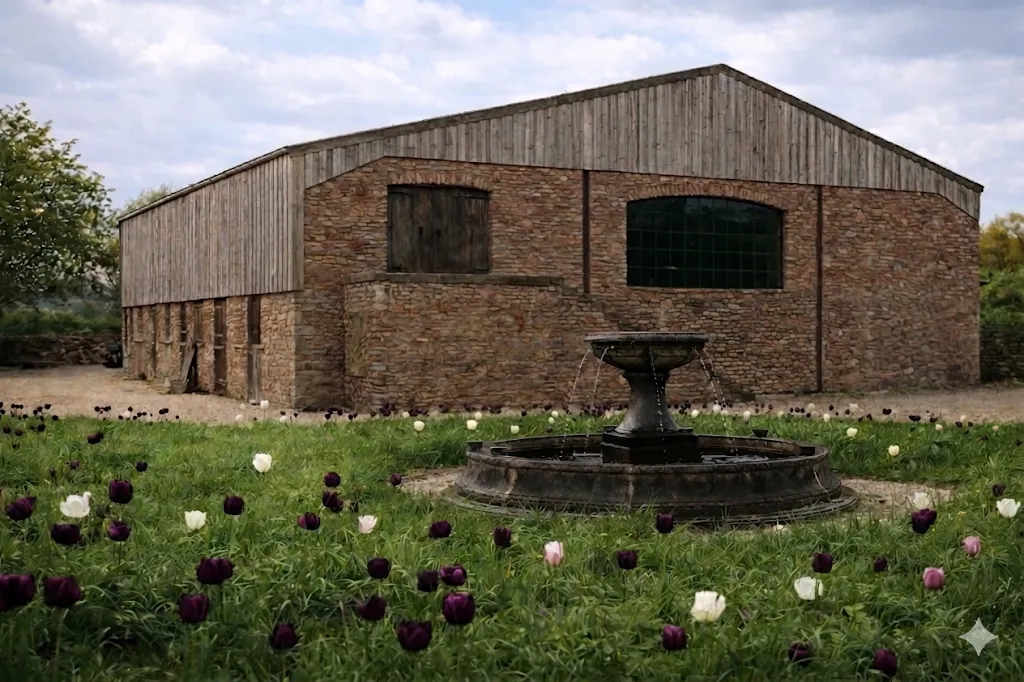
What if we followed the plant?
We could try to grow every interesting plant in Somerset, asking each plant to adapt to our particular soil and climate.
But what if we did the opposite?
What if we farmed in the landscapes where the plants create the best natural chemistry?
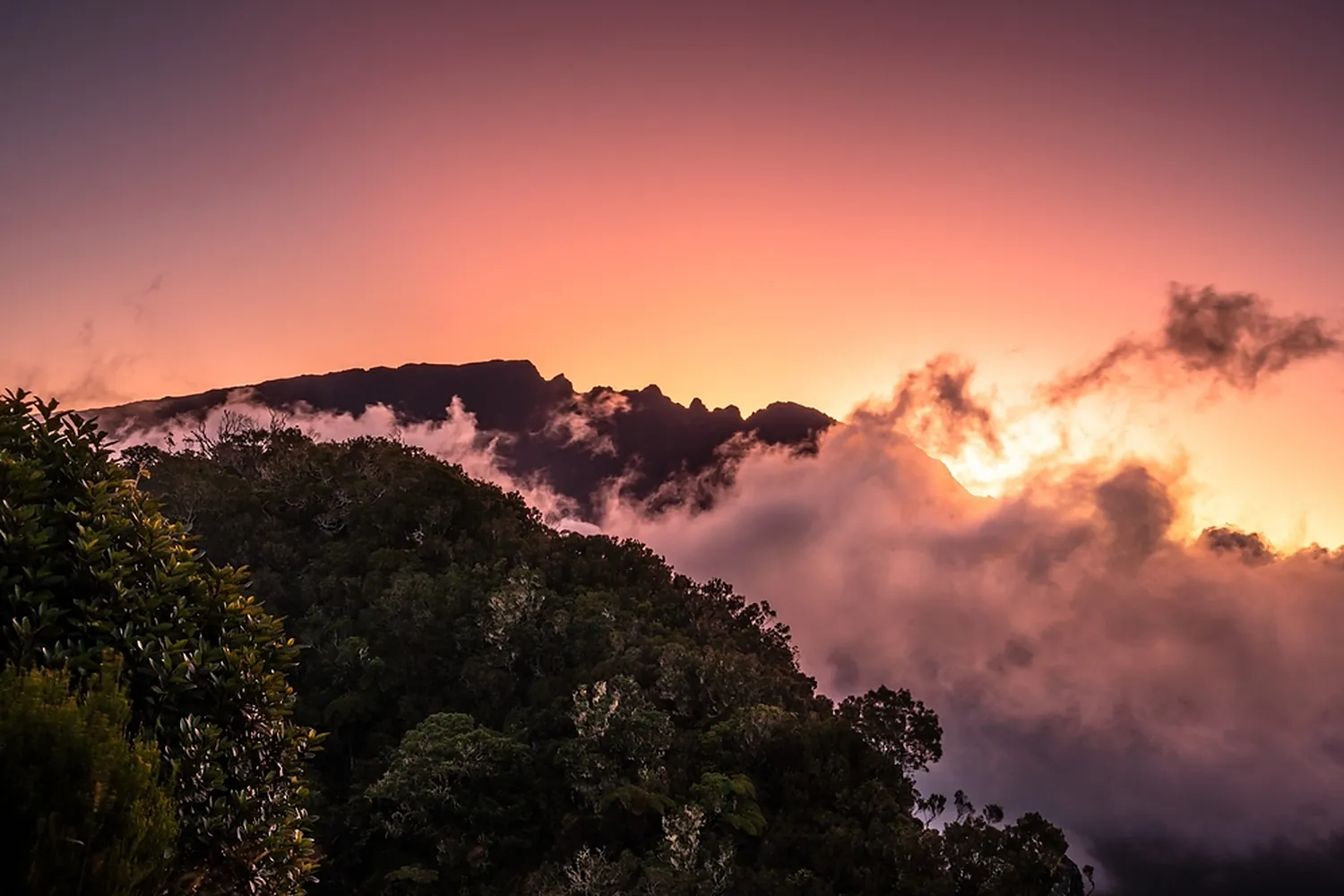
An Arctic hillside. A humid valley. A windswept coast.
Each presents different conditions, challenges and possibilities.
The relationship between place and a plant's chemistry is complex. No landscape guarantees an exceptional result.
But every landscape gives us a reason to look closer.
The search has begun
Landscapes worth exploring.
From northern forests to tropical highlands, we study the variables that make each place distinctive.
Some are established agricultural regions. Others are home to wild or locally adapted species.
Research landscape
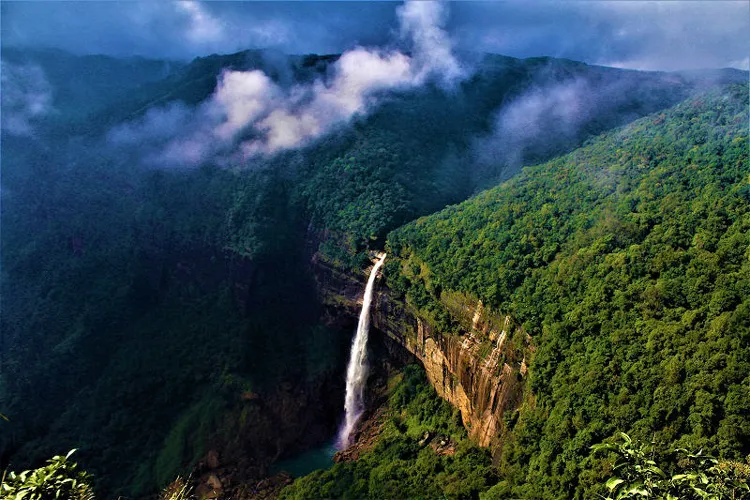
Meghalaya · India
Monsoon hills and mountain valleys.
Among the high plateaus and forested hills of Meghalaya, distinctive ginger and turmeric varieties are part of a rich tradition of local cultivation.
Explore Meghalaya plants.
Research landscape
The Swedish Arctic
Northern forests and long summer light.
Short growing seasons, cold nights and northern wetlands are home to some of the world's most distinctive wild berries.
Explore Arctic plants.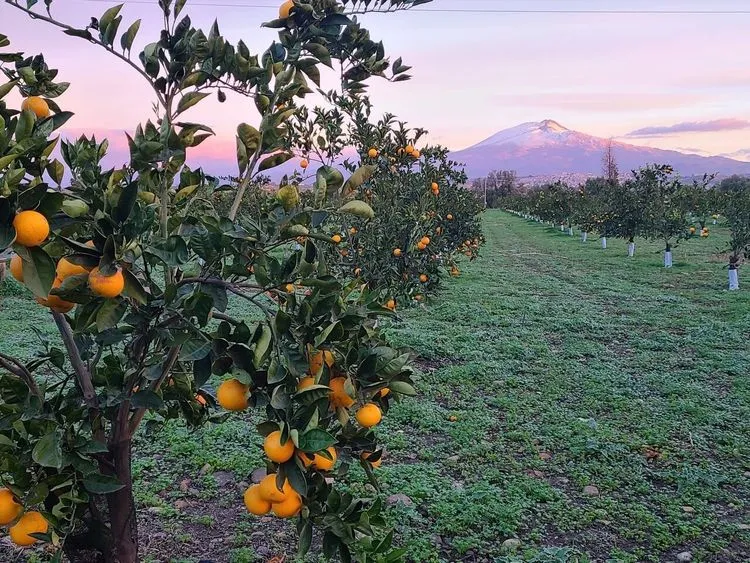
Research landscape
Sicily · Italy
Citrus groves beneath a volcano.
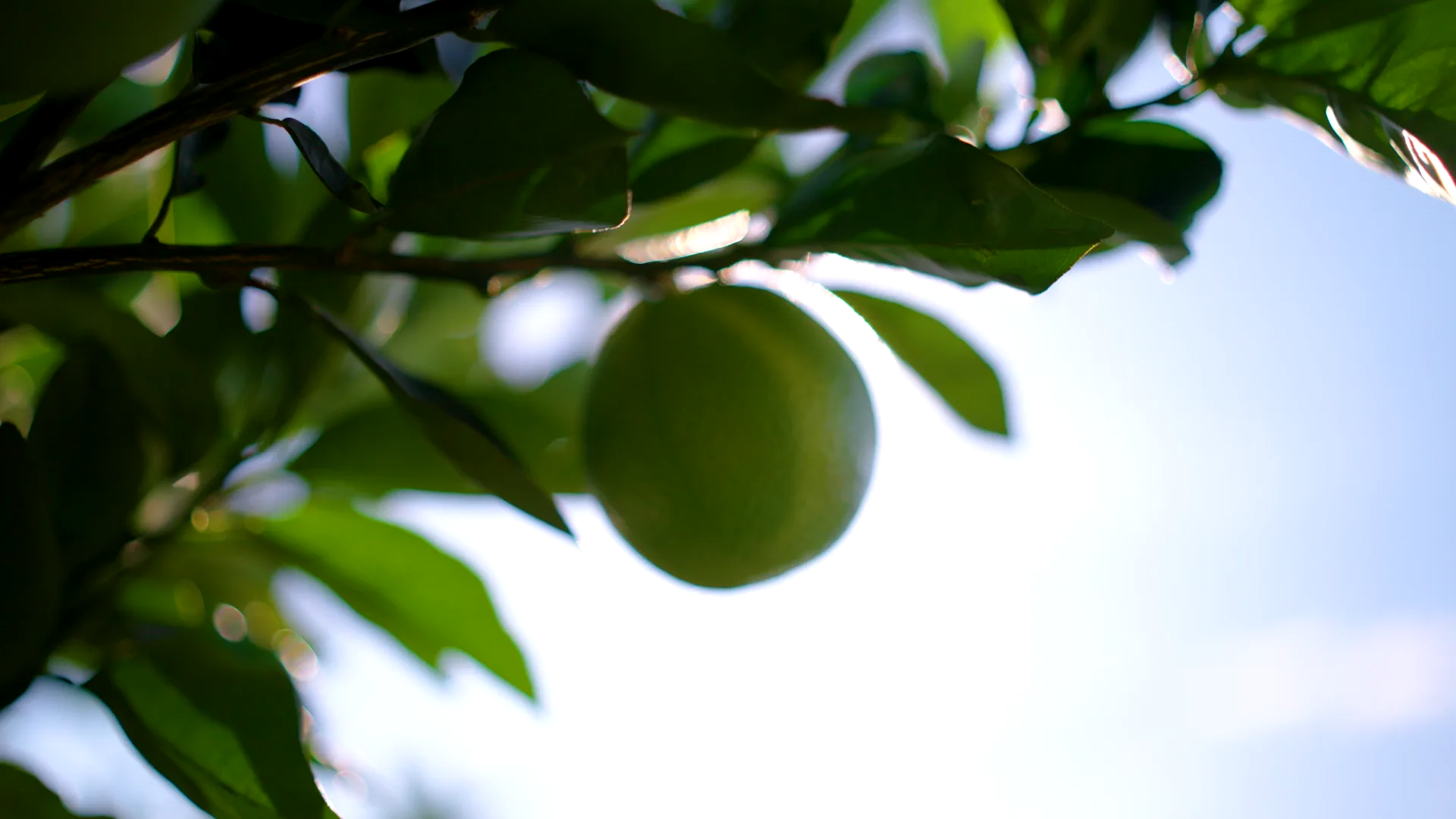
From the slopes of Etna to the warmer coastal orchards, Sicily's extraordinary citrus traditions include locally adapted and heritage varieties.
Explore Sicilian plants.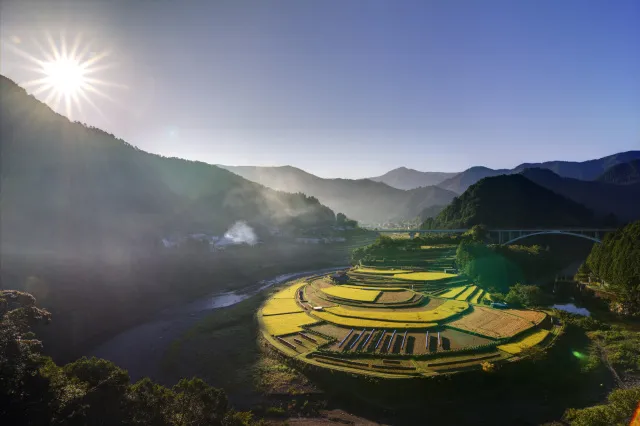
Research landscape
Wakayama · Japan
Steep valleys and generations of cultivation.
Wakayama's landscape and agricultural traditions have given rise to distinctive varieties of citrus, ume and aromatic plants.
Explore Japanese plants.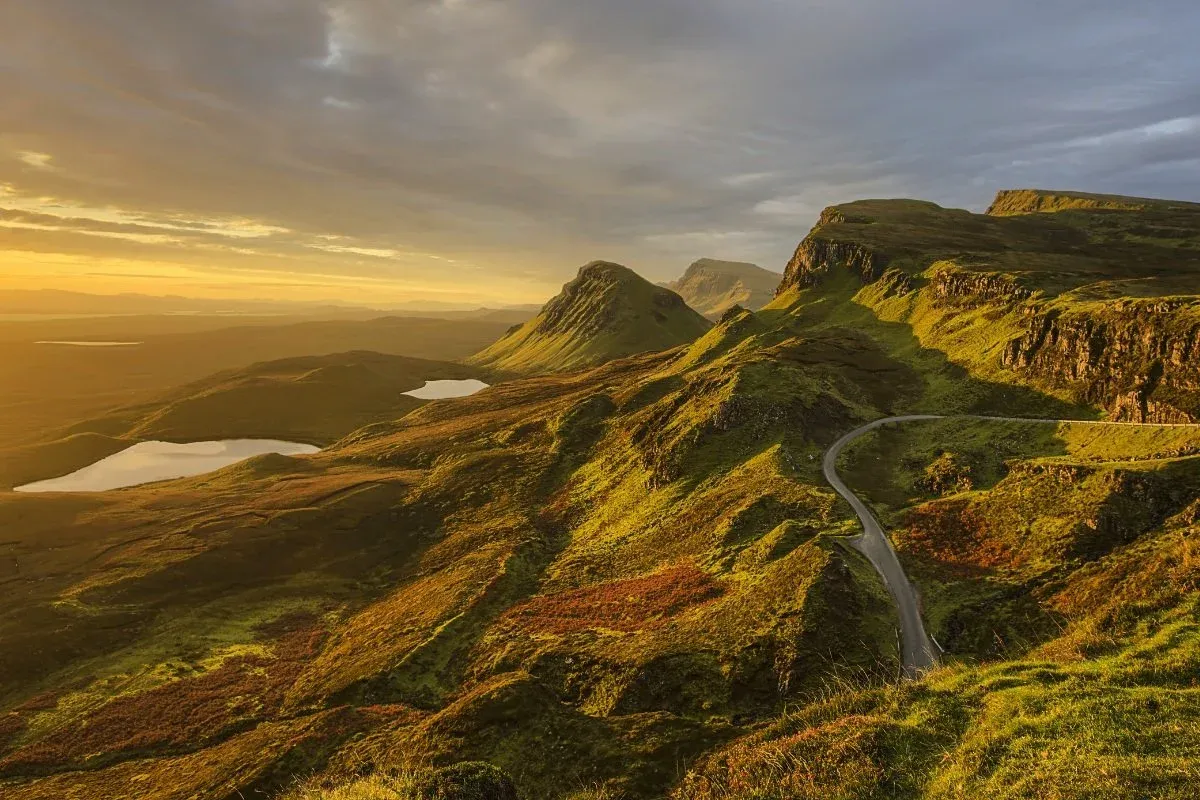
Research landscape
Highlands · Scotland
Moorland, woodland and cool northern light.
A landscape of wild berries, aromatic plants and long-established agricultural traditions.
Explore Scottish plants.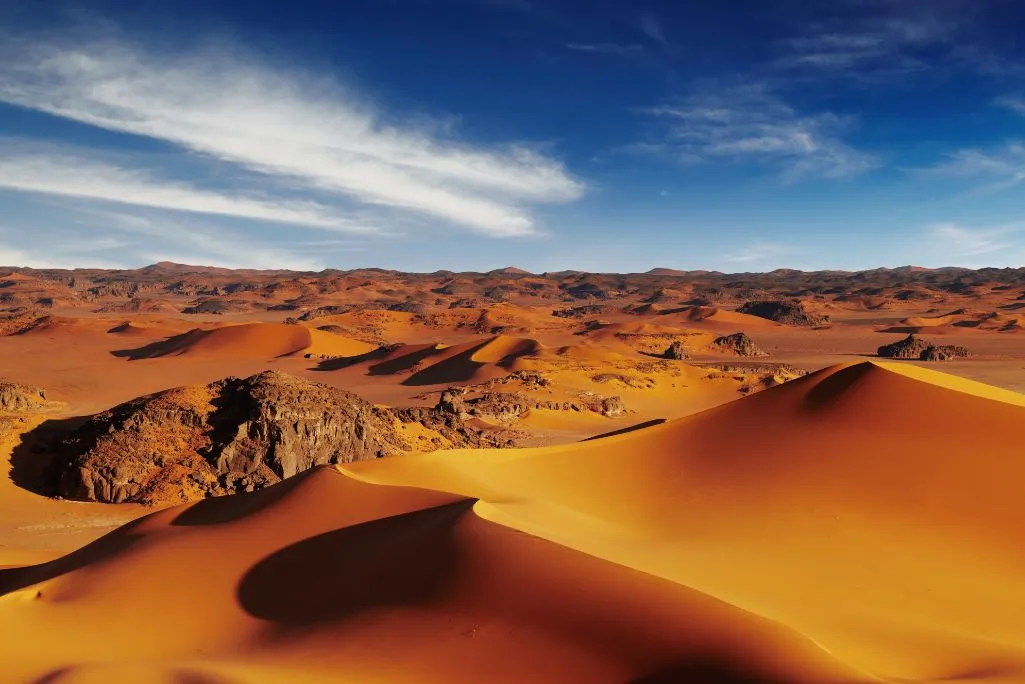
Research landscape
Sahara · North Africa
Desert margins and cultivated oases.
Traditional growing systems and locally adapted plants offer a different perspective on fruit and botanical diversity.
Explore Saharan plants.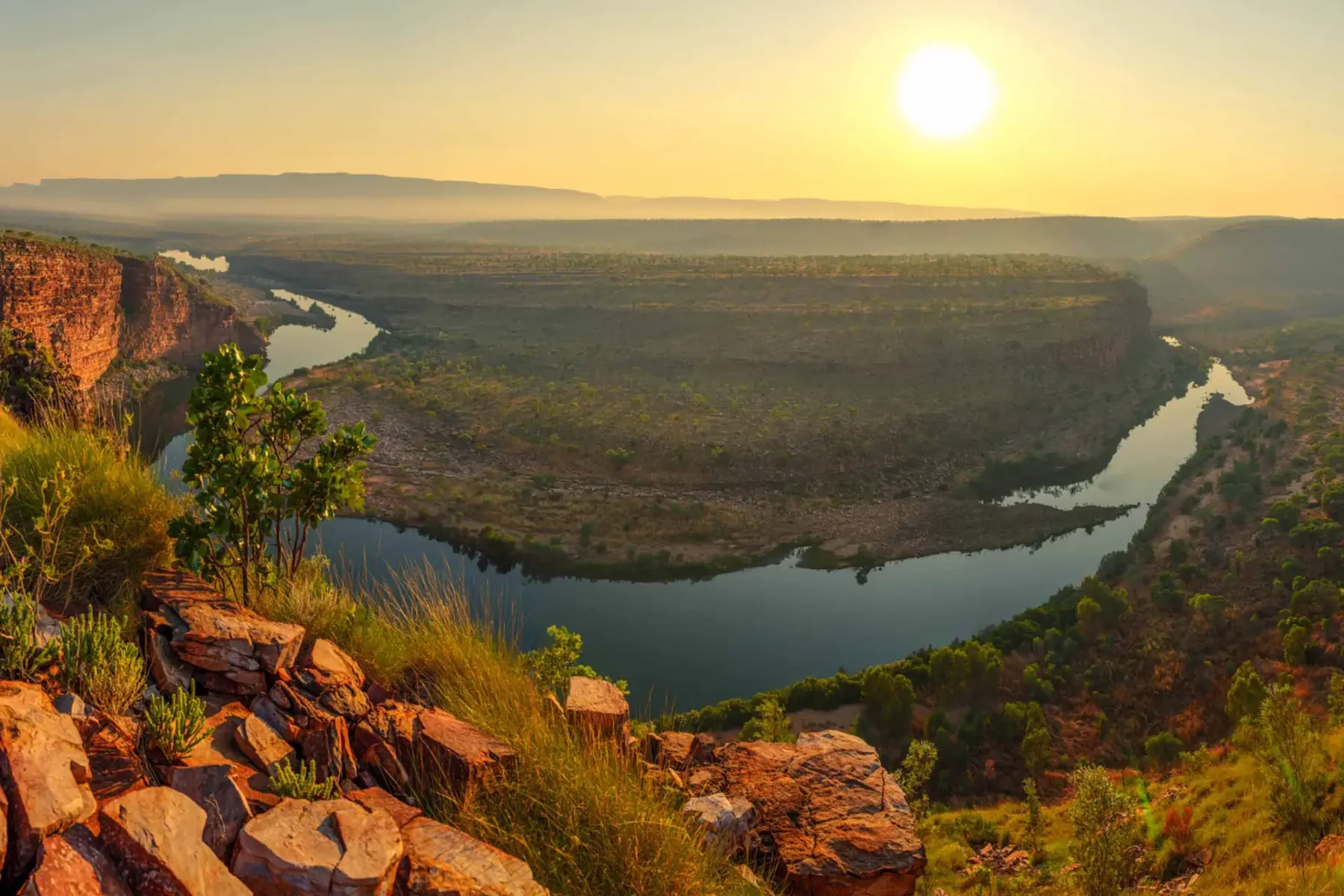
Research landscape
Kimberley · Australia
Monsoon seasons and ancient landscapes.
Northern Australia's native flora and longstanding Indigenous ecological knowledge offer a rich field for botanical research.
Explore Australian plants.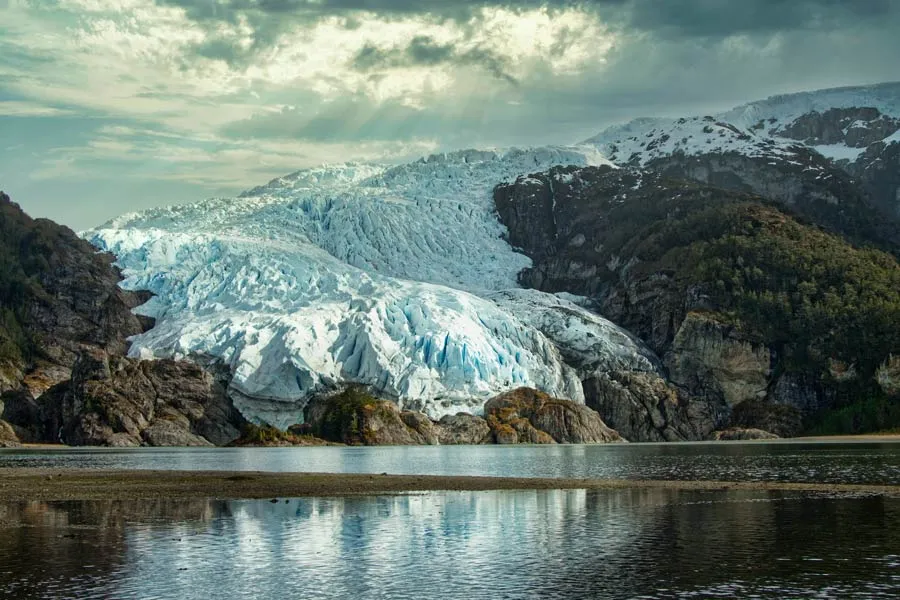
Research landscape
Patagonia · Chile
Wind, mountains and cool maritime weather.
Southern landscapes are home to distinctive wild berries and locally adapted plant species.
Explore Patagonian plants.Functional Farming®
Valuing what plants contain.
Agriculture has traditionally rewarded yield, size and appearance.
But some of a harvest's most interesting qualities are invisible.
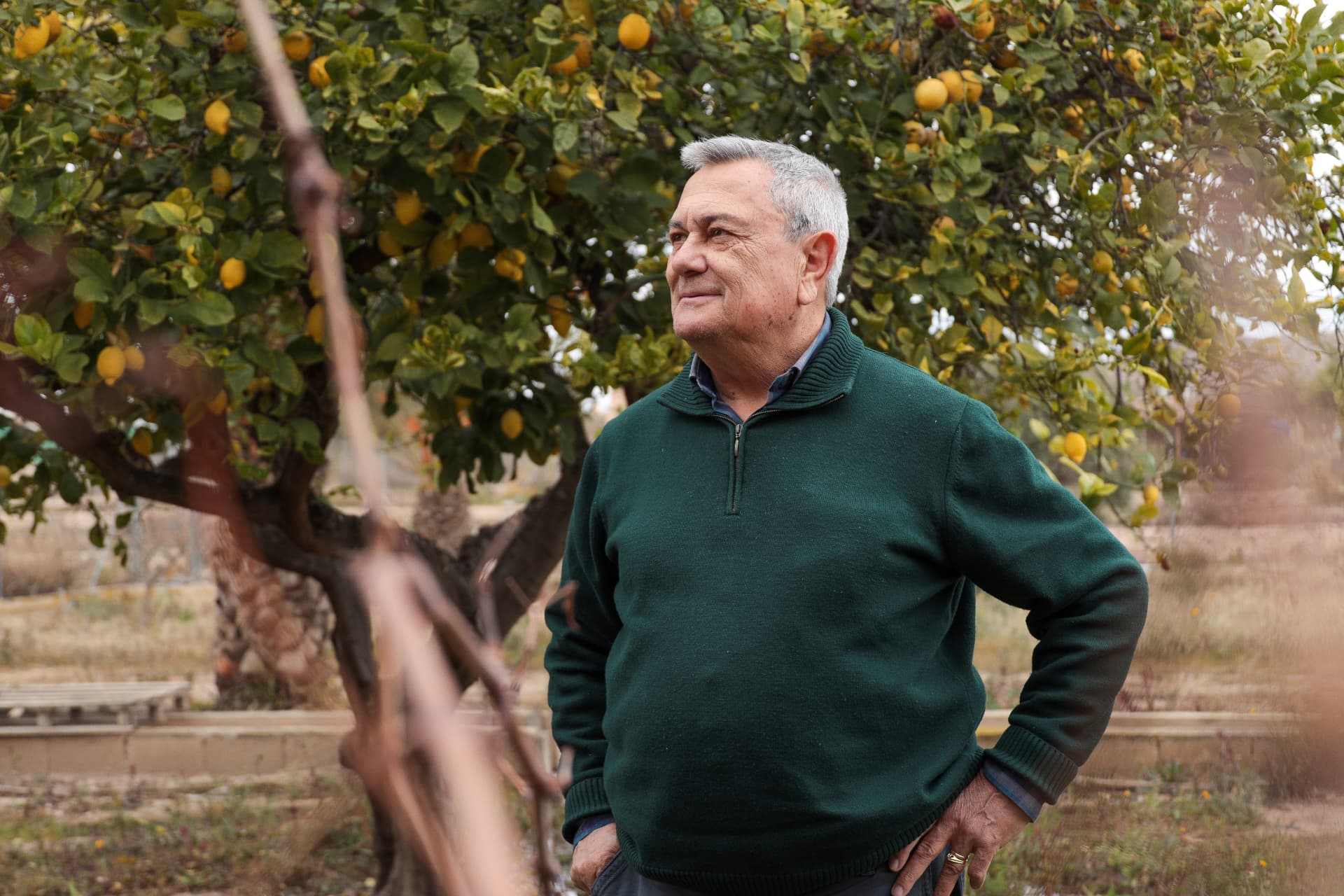
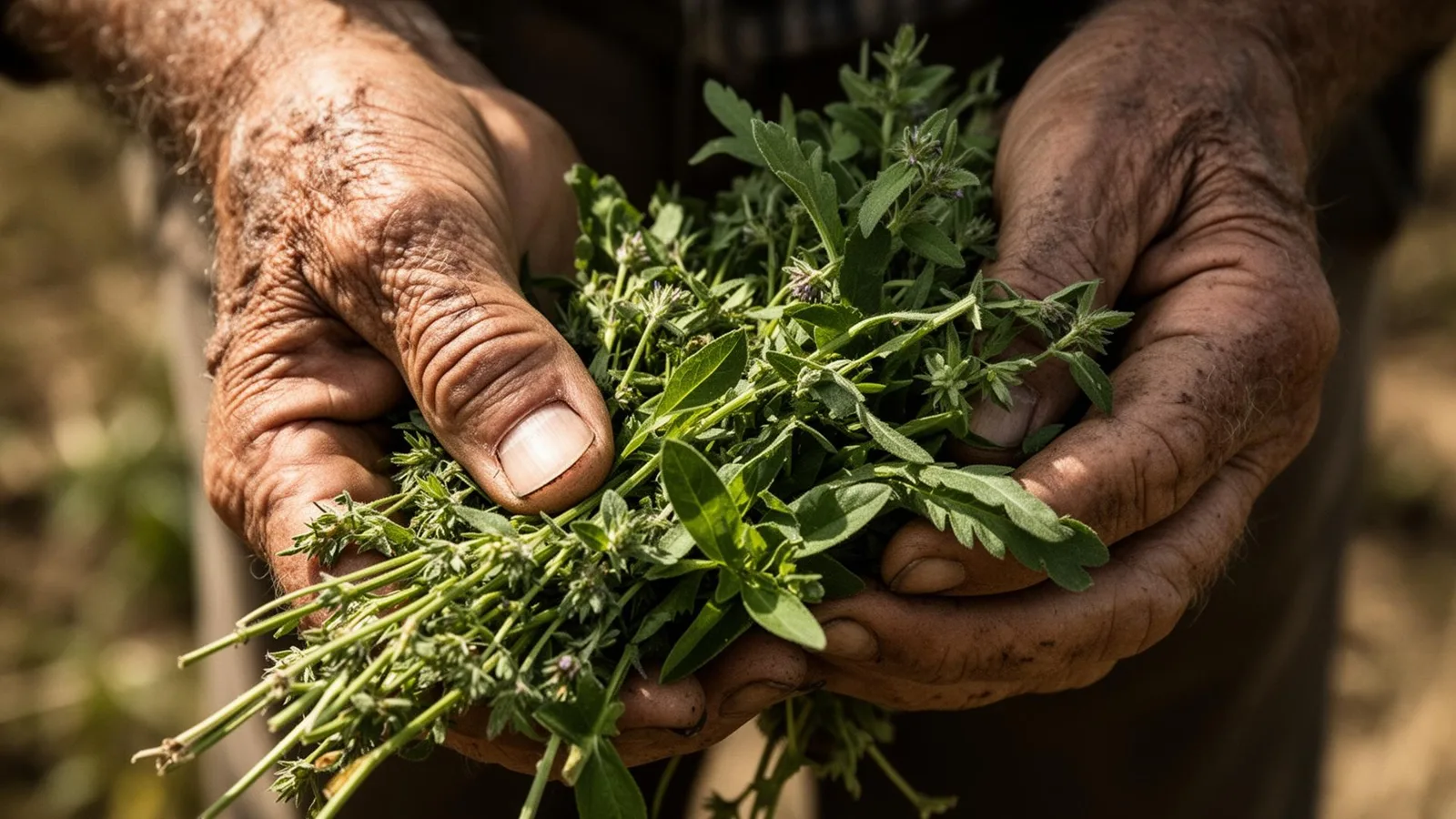
We believe growers should be recognised for the natural chemistry of the plants they produce, not simply their weight.
Through Functional Farming®, we work with growers to identify and reward exceptional crops, using independent analysis to help make those differences measurable.
Our programme pays premiums for the natural chemistry we value.
Better value for growers. More exceptional plants for you.
Exceptional plants can come from anywhere.
What matters is finding the plants worth discovering, understanding where they come from and learning what makes each one distinctive.