The Ebbor Research Library
The science of extraordinary plants.
We’re not here to turn plants into promises. We’re here to understand them better and make great products.
Every plant is a complex natural material. Fruit, leaf, flower, root, peel and bud each carry their own naturally occurring nutrients, pigments, acids, tannins and aromatic compounds.
We study what makes a material distinct, how place and harvest change it, and what remains from soil to delivery.
FOUR QUESTIONS THAT SHAPE OUR WORK.
01 — NUTRIENT DENSITY
What is present?
We measure the naturally occurring nutrients and plant compounds in a material, and compare what changes with cultivar, place and harvest.
02 — NUTRIENT DIVERSITY
How broad is the chemistry?
Different plants and plant parts contribute different compound families. We are interested in the breadth of what an edition contains, not simply the concentration of one headline compound.
03 — THE WHOLE EDITION
Why study the finished product?
An edition is more than a list of individual ingredients. The plant materials, their naturally occurring compounds and the way they are handled form a whole. We study the finished edition as well as the materials within it.
04 — Preservation
What remains?
Time, temperature, oxygen, light, handling and packaging all shape what reaches the bottle. We record the route, then test the finished batch.
FROM SOIL TO DELIVERY
At every stage, something can be protected, changed or lost. We try to understand that journey, make deliberate choices at each handover, and measure the finished edition.
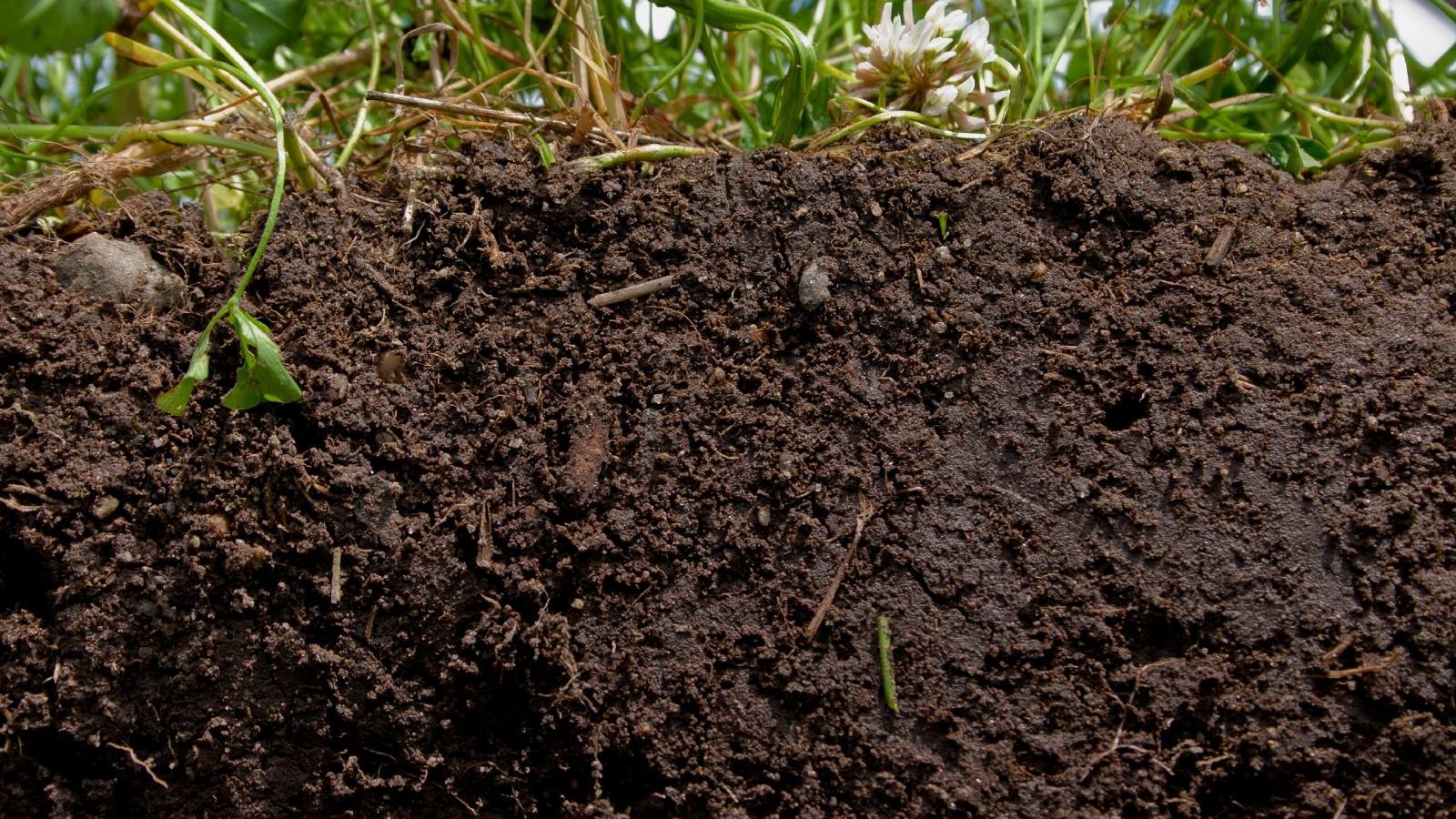
01
SOIL
A living physical, chemical and biological system, understood with our growers and tested where it can inform a better decision.
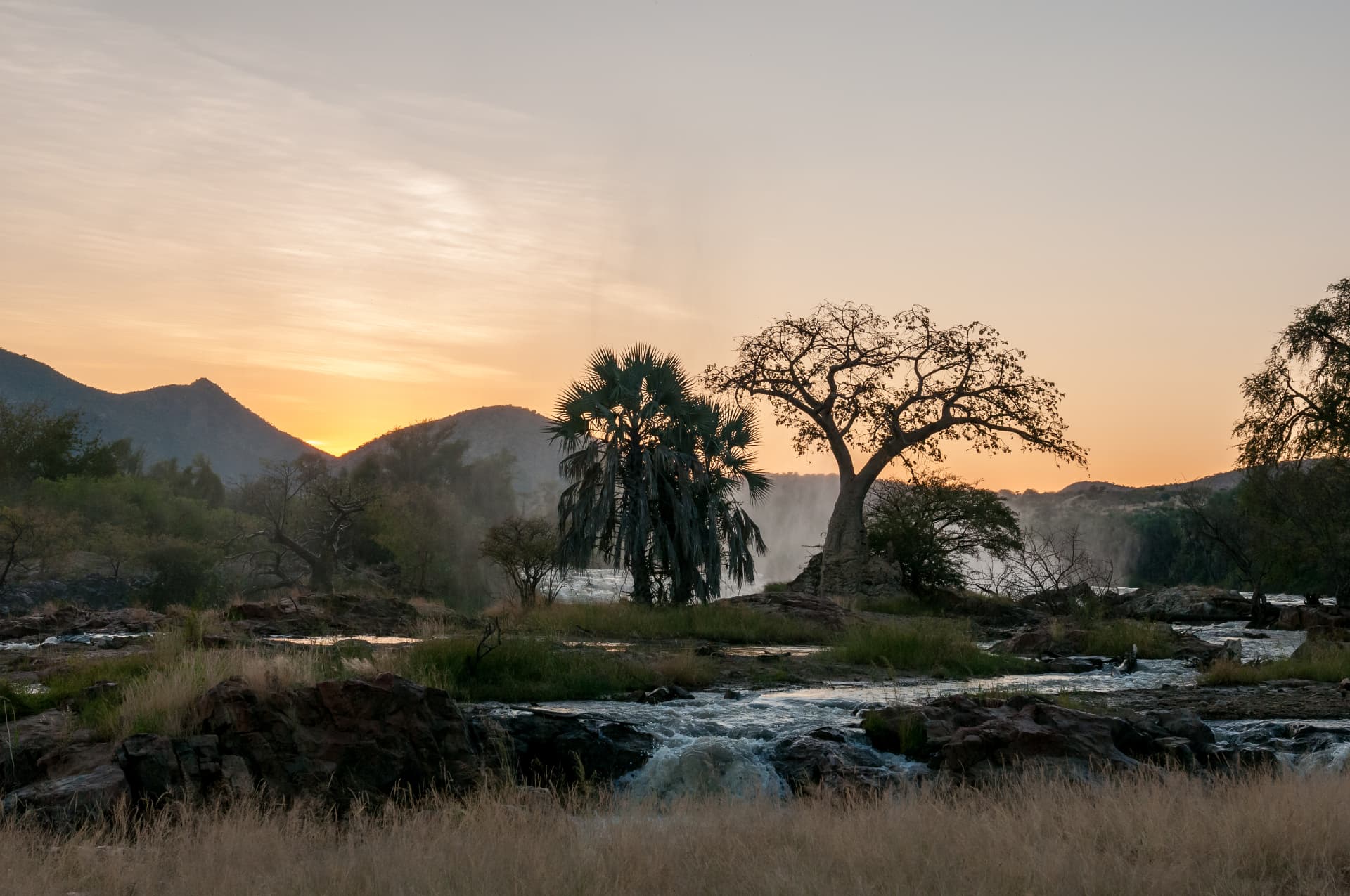
02
LANDSCAPE
Light, water, temperature, soil and altitude shape a plant’s growing conditions. We compare materials across cultivars, landscapes and harvests to understand how those conditions are reflected in their chemical profiles.
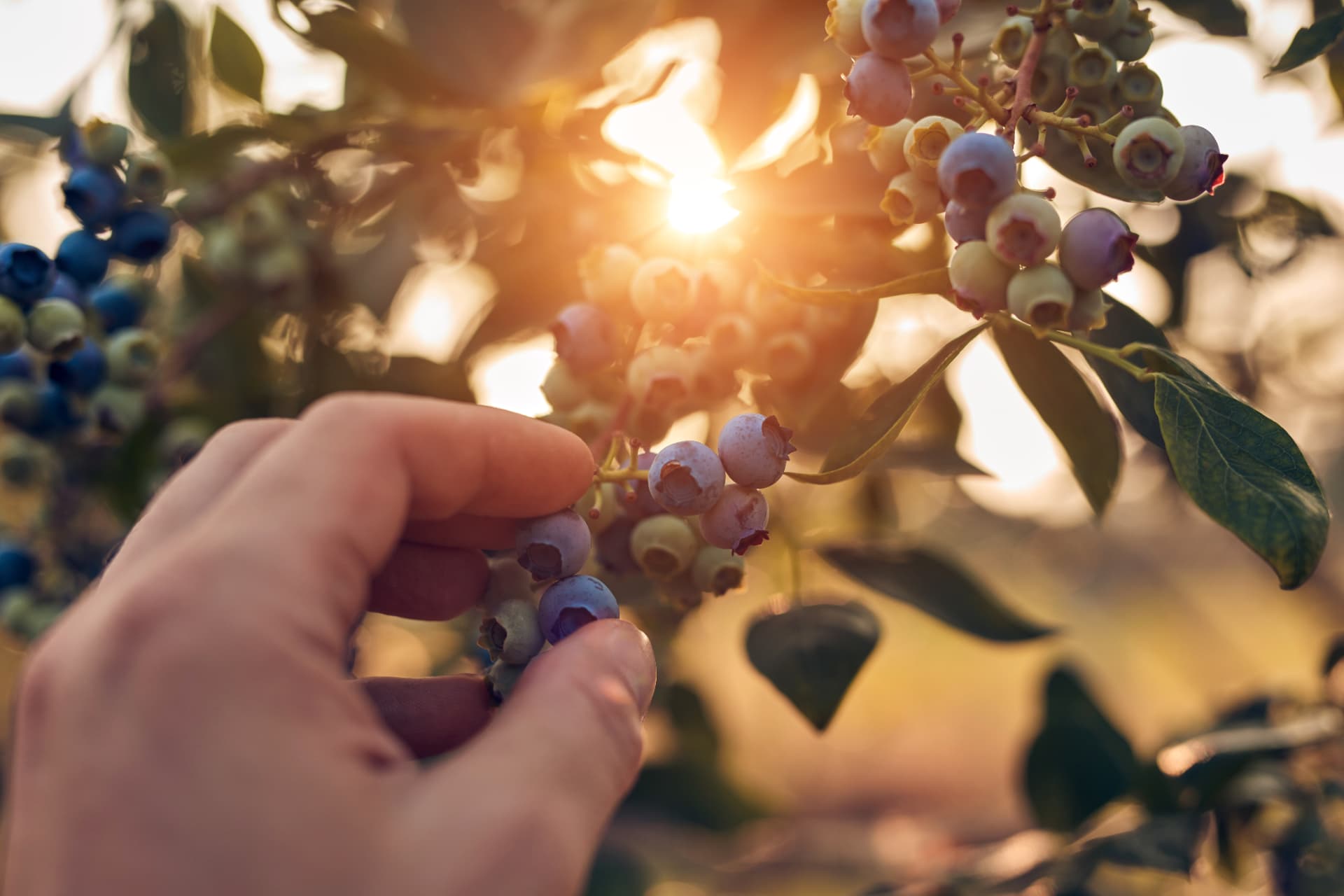
03
HARVEST
Pigments, acids, sugars and aromatics move at different rates as fruit ripens. The date and timing of a harvest is valuable data that we record whenever possible.
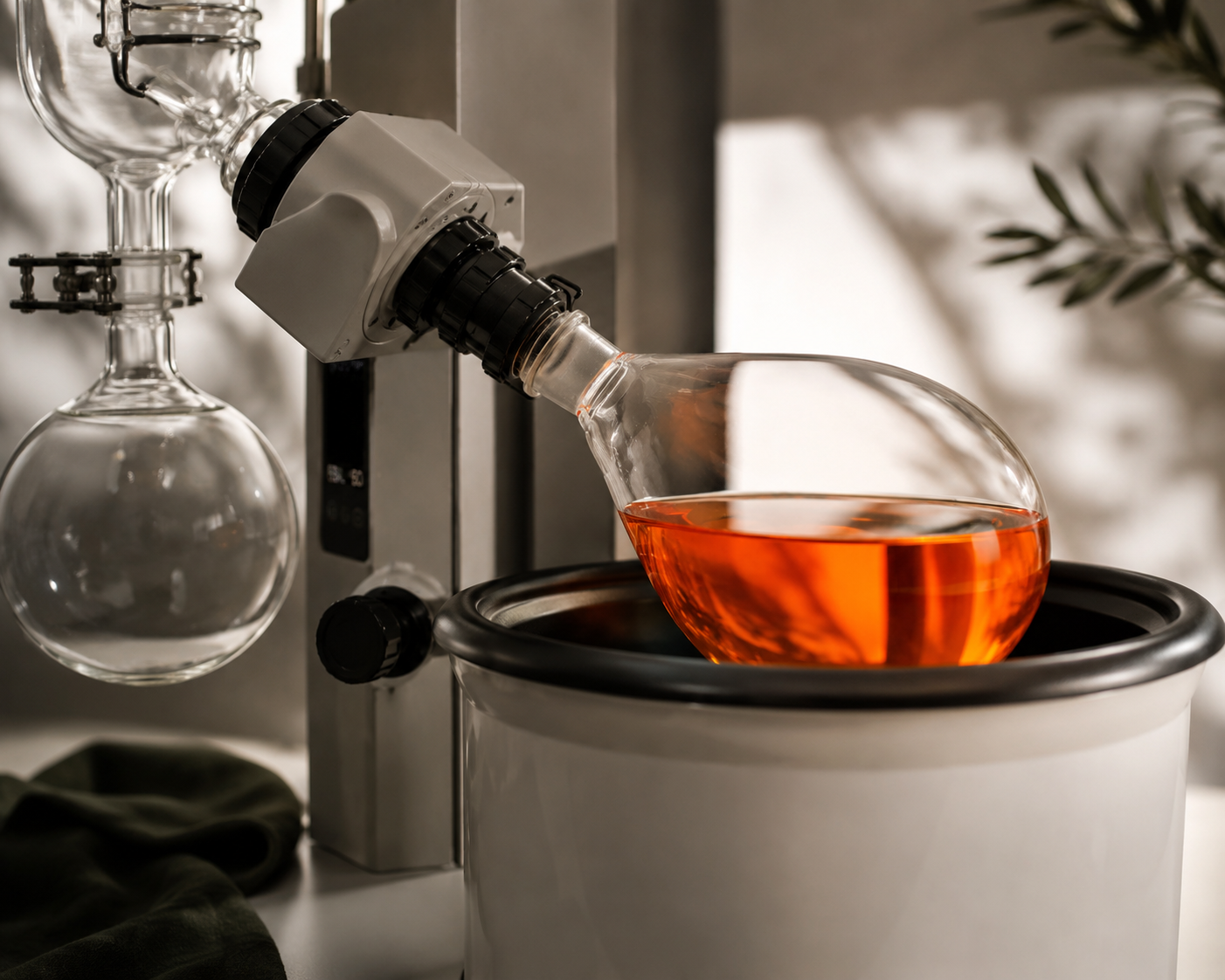
04
PROCESSING
Heat, oxygen, light and time affect materials differently. We test how they shape colour, aroma and measured composition, then refine the method.
05
PACKAGING
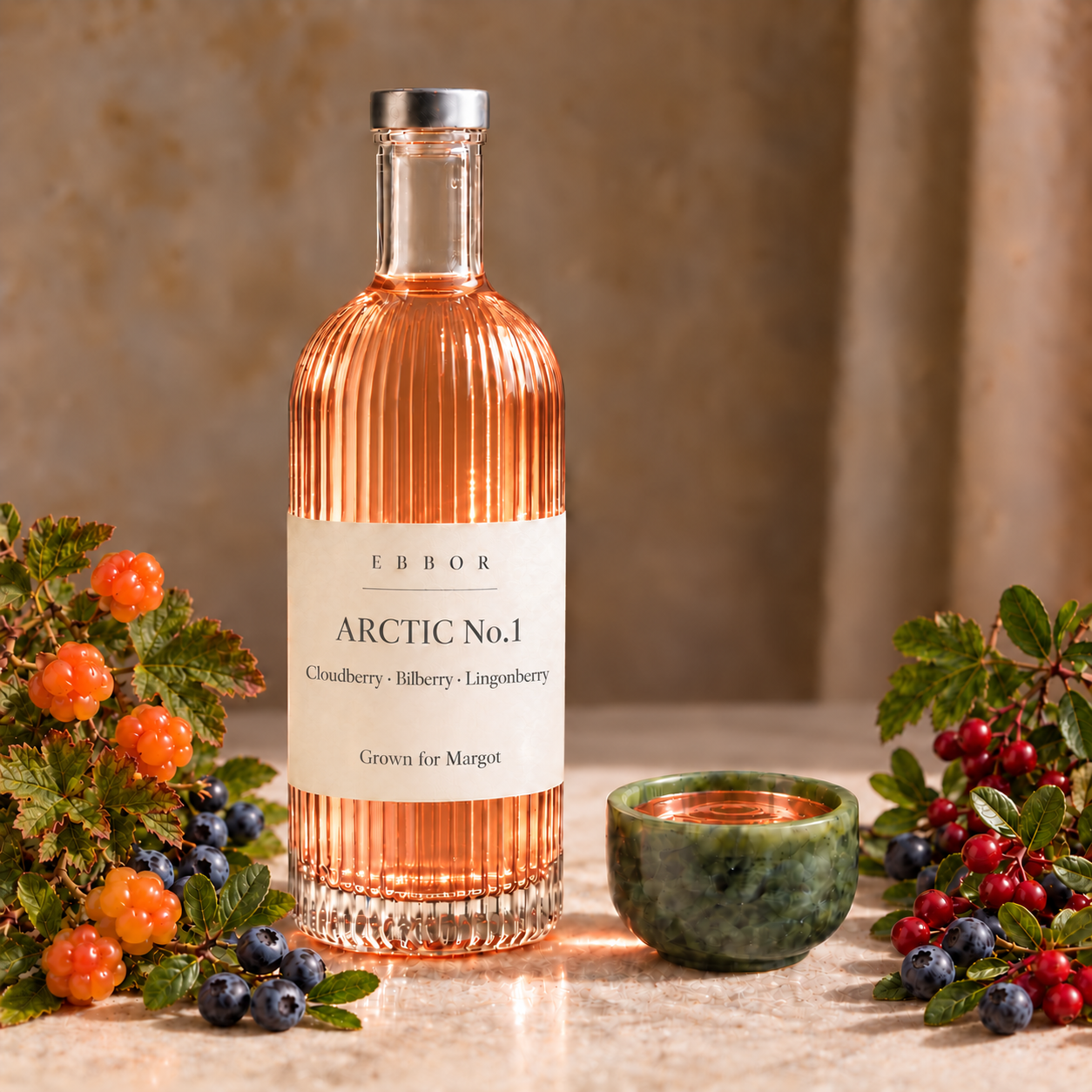
Protection continues after bottling. Light, oxygen, temperature and time remain part of the process all the way to delivery.
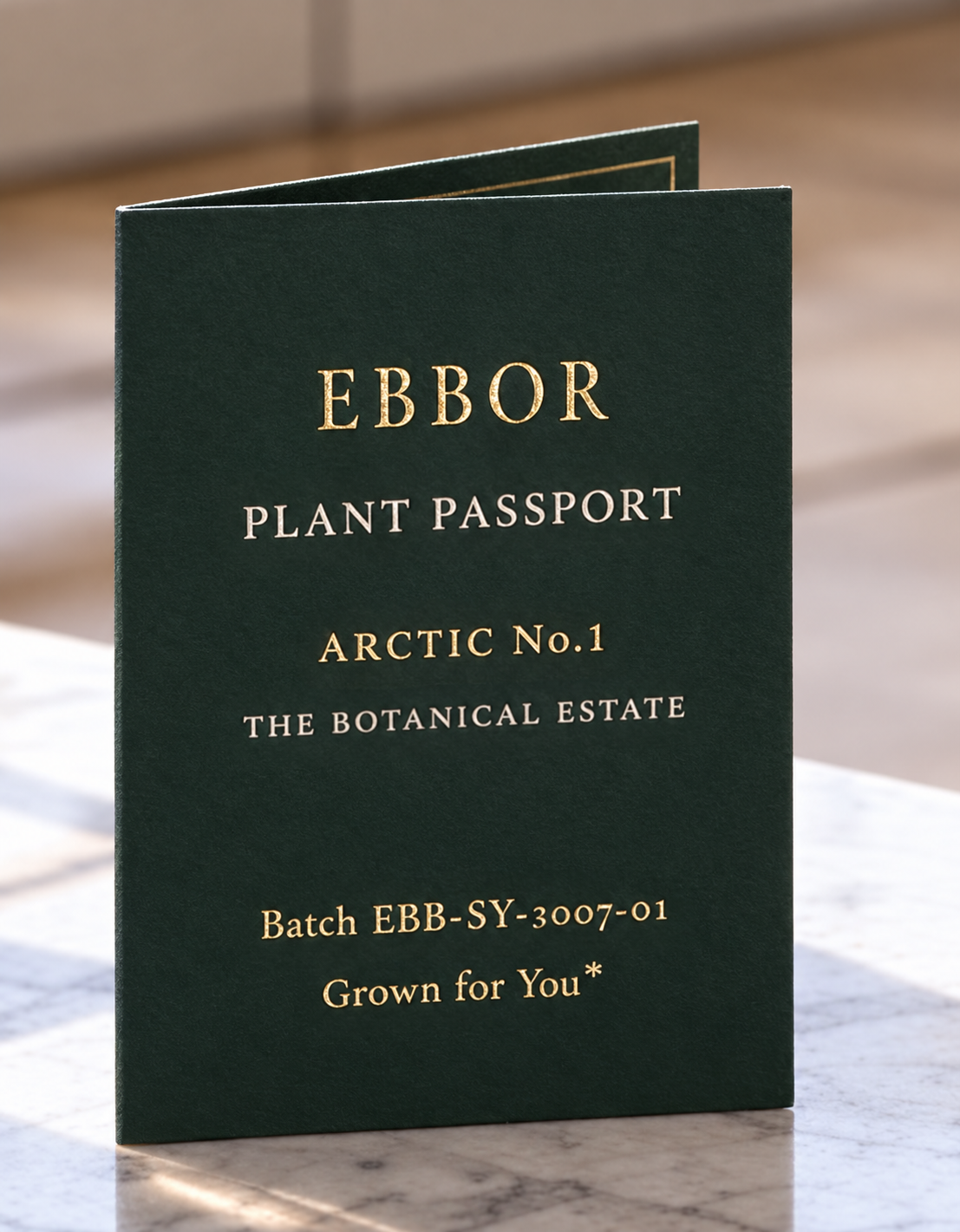
The measured composition record
Every bottle comes with a Passport.
The Plant Passport is the working record of a finished edition: the plants, their place and harvest, the process, the packaging and the measured batch.
- Materials — species, plant part, cultivar where known, grower, place and harvest window
- Natural chemistry — relevant nutrients, phytochemicals and compound families measured
- Preservation — handling, processing, packaging and storage
- Analysis — what was measured, by whom, when and by which method
The Ebbor Reading Room
Books, essays and films that expand how we think about plants, place and the future of food.
01 · Book · Forthcoming 20 October 2026
Food Is Medicine
Dariush Mozaffarian
The widest view of the subject: food, farming, public health and the systems that shape what reaches a plate.
02 · Book
Eat for Health
Joel Fuhrman, MD
Fuhrman’s ANDI framework made nutrient density legible to a broad audience. It is an influential starting point for the question, not an Ebbor scoring system.
03 · Book
What Your Food Ate
David R. Montgomery & Anne Biklé
The most direct bridge between Ebbor’s soil-to-delivery thinking and the question of what farming conditions can change in food.
04 · Book
Eating to Extinction
Dan Saladino
Food diversity as flavour, local knowledge, cultural memory and genetic possibility — not merely a number.
05 · Book
The Third Plate
Dan Barber
It makes the relationship between a farm, a landscape and flavour feel inseparable.
06 · Research paper
The Food Matrix
José Miguel Aguilera · Critical Reviews in Food Science and Nutrition (2019)
The one technical paper worth keeping here: a food is more than a list of isolated ingredients; structure and processing matter.
07 · Report
The State of the World’s Biodiversity for Food and Agriculture
Food and Agriculture Organization of the United Nations (2019)
The authoritative wider context: food depends on far more than crops alone — including varieties, soils, pollinators and landscapes.
08 · Report
2020 Data Report
The Bionutrient Institute
It treats the relationship between soil, crop variety, farm practice and what food carries as a measurement problem — not a marketing claim. We return to it because it is interested in variation: why one harvest may differ from another, and how to build a better record over time.
The work has only begun.
Each harvest adds to the record.