Amla
Phyllanthus emblica L.
Where it is from
India / Himalayan foothills
Why it is here
The Indian gooseberry: pale gold, sharply sour and astringent.
Chemistry highlights · Vitamin C and hydrolysable tannins.
The Plants
Discover the plants we've spent years researching and see why they earn a place in our drinks.
The living library
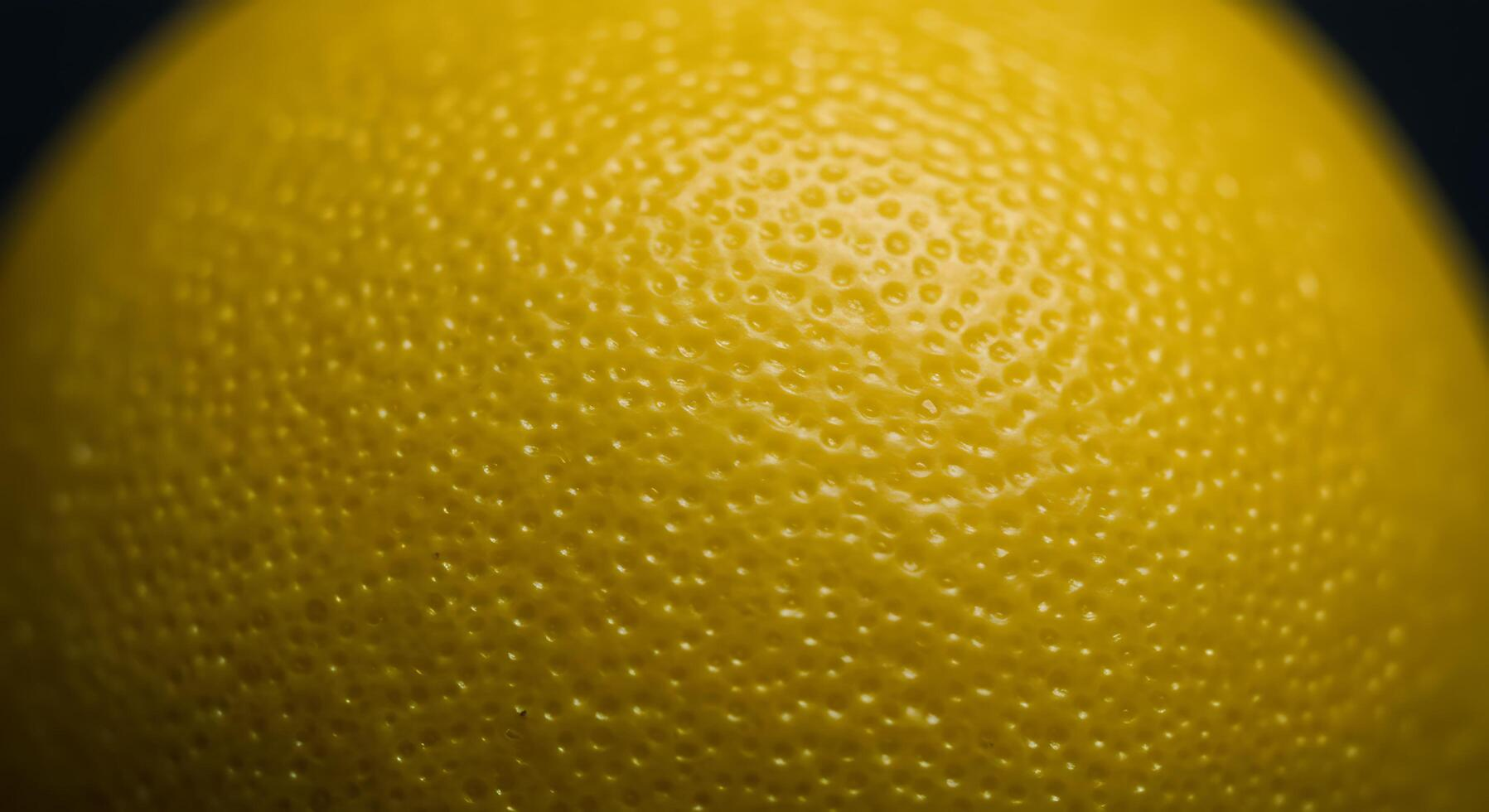
A citrus is not simply citrus. Its peel, juice, pith and blossom each bring something different: perfume, brightness, bitterness and length.
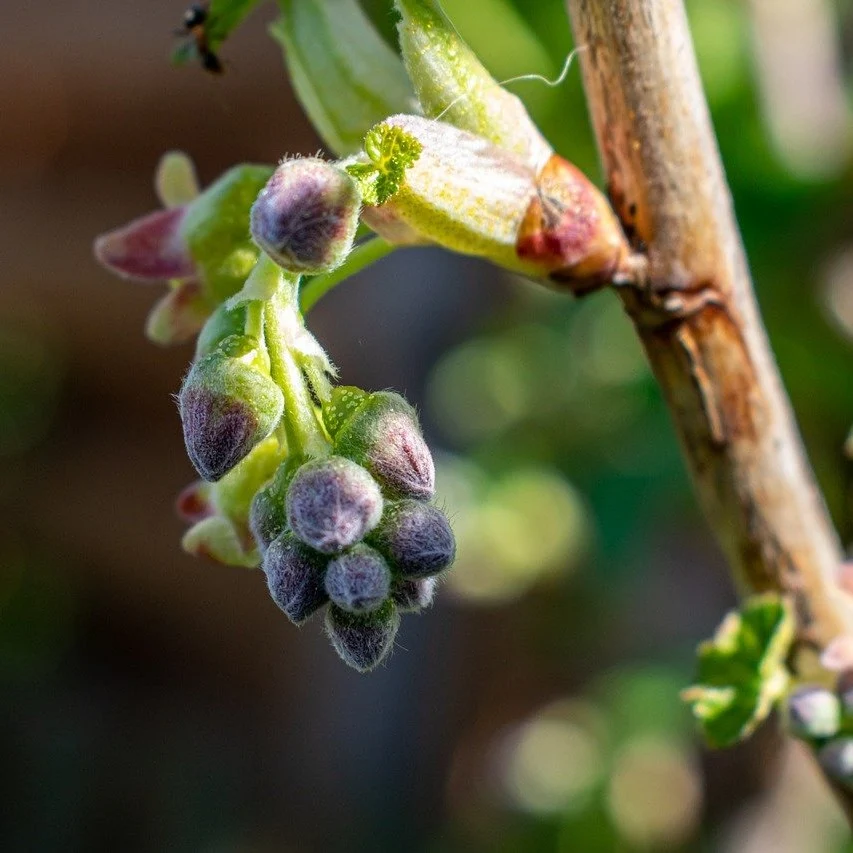
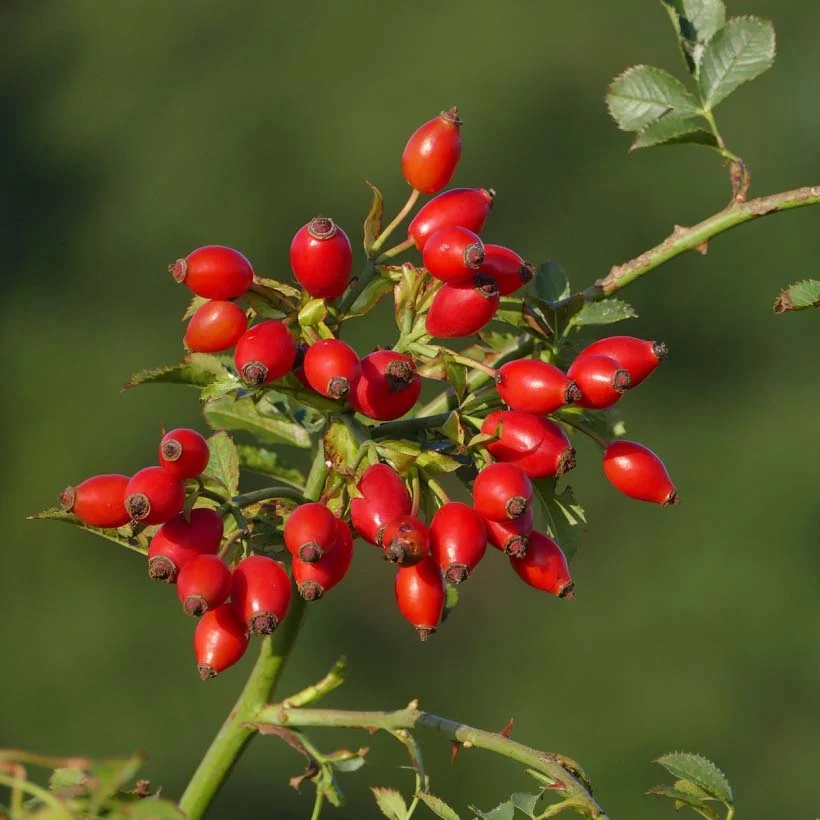
A blackcurrant gives berry, bud and leaf. A rose gives hip, petal and leaf. Each is a distinct material, with its own scent, flavour and role in an edition.
We also study plants for their phytochemistry to understand what each can bring to an edition and ask:
Does it earn its place?
Some become the foundation of an edition.
Some lend a single, precise note.
Some remain in the library, waiting for the right season, place and edition.
THE PLANT LIBRARY · 70 PLANTS
These notes describe the raw fruit, leaf, flower or root. Once a plant becomes part of an edition, the finished composition is independently analysed and recorded in its Plant Passport.
Phyllanthus emblica L.
Where it is from
India / Himalayan foothills
Why it is here
The Indian gooseberry: pale gold, sharply sour and astringent.
Chemistry highlights · Vitamin C and hydrolysable tannins.
Angelica archangelica L.
Where it is from
Northern Europe — food-grade provenance
Why it is here
A tall northern umbellifer: green, cool and aromatic, with a lift no fruit can imitate.
Chemistry highlights · Coumarins and furanocoumarins with aromatic volatile oils.
Mentha suaveolens Ehrh.
Where it is from
Southern & western Europe — long cultivated in British herb gardens
Why it is here
Downy, grey-green leaves with a soft apple scent and none of peppermint's bite: a gentle, slightly resinous herb that sits at the back of a composition.
Chemistry highlights · Pulegone- and menthofuran-rich volatile oil, with 1,8-cineole, rosmarinic acid and caffeic acid.
Rubus arcticus L.
Where it is from
Nordic Arctic
Why it is here
A tiny northern raspberry with a fragrant aroma.
Chemistry highlights · Aromatic volatiles and berry phenolics.
Citrus glauca (Spreng.) Swingle & Kellerm.
Where it is from
Arid Australia
Why it is here
A small wild citrus of arid Australia: sharp, bright and drought-hardened.
Chemistry highlights · Citrus flavanones with volatile peel compounds.
Laurus nobilis L.
Where it is from
Mediterranean margins
Why it is here
The laurel of Mediterranean margins: saline, herbal and quietly resinous.
Chemistry highlights · Volatile oils including 1,8-cineole and eugenol, with phenolic compounds.
Beta vulgaris L.
Where it is from
Britain / Europe
Why it is here
An earthy, crimson root that brings colour and a savoury counterpoint to fruit.
Chemistry highlights · Betalains, nitrate and phenolic acids.
Citrus limon (L.) Osbeck
Where it is from
Morocco
Why it is here
The small, thin-skinned Moroccan lemon: sharp, bright and intensely aromatic.
Chemistry highlights · Citrus flavanones with vitamin C and peel volatiles.
Capsicum chinense Jacq.
Where it is from
Jaintia Hills / Meghalaya
Why it is here
The cloud-hill chilli of Meghalaya, used here in a measured whisper rather than a shout.
Chemistry highlights · Capsaicin and dihydrocapsaicin with carotenoids.
Vaccinium myrtillus L.
Where it is from
Britain / Nordic moorland
Why it is here
The small, inky berry of moor and woodland: blue-black flesh, sharp and concentrated, and unmistakably northern.
Chemistry highlights · Anthocyanins, flavonols and phenolic acids.
Ribes nigrum L.
Where it is from
Britain — field rows & gardens
Why it is here
A dark, tart berry with a leafy aroma that needs care in handling.
Chemistry highlights · Anthocyanins, vitamin C, flavonols and aromatic volatiles.
Ribes nigrum L.
Where it is from
Britain / field rows
Why it is here
Cassis at its greenest.
Chemistry highlights · Green cassis volatiles, including sulphur compounds and monoterpenes.
Zanthoxylum piperitum (L.) DC.
Where it is from
Aridagawa / Wakayama, Japan
Why it is here
The Wakayama culinary pepper: sparkling, green and aromatic at a whisper's dose.
Chemistry highlights · Hydroxy-α-sanshool with limonene, citronellal and geraniol.
Pleiogynium timoriense (DC.) Leenh.
Where it is from
Northern Australia monsoon woodland
Why it is here
A dark fruit of northern Australian monsoon woodland, still under study in the library.
Chemistry highlights · Anthocyanins and organic acids.
Berberis microphylla G.Forst.
Where it is from
Patagonia / Cape Horn
Why it is here
A frost-blue Patagonian berry from a spiny, wind-shaped shrub.
Chemistry highlights · Anthocyanins and flavonols.
Ceratonia siliqua L. cv. Saccarata
Where it is from
Sicily — conserved accession
Why it is here
The pod of a conserved Sicilian carob tree: dry, round and cocoa-like without any cocoa.
Chemistry highlights · Catechin and epicatechin with condensed tannins, gallic acid and quercetin and kaempferol flavonols.
Mentha × piperita L. var. citrata
Where it is from
Garden origin — a cultivated peppermint variety grown across Britain
Why it is here
A peppermint with an unusual top note: cool and sweet, with a faint cocoa-like edge that reads almost like chocolate on the nose.
Chemistry highlights · Menthol and menthone, with linalool- and 1,8-cineole-rich volatiles, plus rosmarinic acid.
Rubus chamaemorus L.
Where it is from
Nordic Arctic
Why it is here
A rare amber berry of bog and tundra. Softly tropical for something born so far north.
Chemistry highlights · Ellagitannins, vitamin C and carotenoids.
Empetrum nigrum L.
Where it is from
Nordic Arctic
Why it is here
A low Arctic berry with a restrained, shadowy fruit character: moss, stone and long northern light.
Chemistry highlights · Anthocyanins, proanthocyanidins and flavonols.
Prunus domestica subsp. insititia (L.) Bonnier & Layens
Where it is from
England — orchard & hedgerow
Why it is here
The backbone of an English orchard: dark-skinned, plum-scented and structured without heaviness.
Chemistry highlights · Purple-skin anthocyanins, chlorogenic acid and procyanidins.
Found in ORCHARD No. 1.Phoenix dactylifera L. cv. Boufeggous
Where it is from
Pre-Saharan oases / Morocco
Why it is here
The Boufeggous date of the Moroccan oases: deep, honeyed and soft, rounding sharper fruit without added sugar.
Chemistry highlights · Phenolic acids with flavan-3-ols and flavonols.
Davidsonia pruriens F.Muell.
Where it is from
Eastern Australia rainforest
Why it is here
A small rainforest fruit with aubergine-dark skin and a sour flavour.
Chemistry highlights · Anthocyanins and organic acids.
Sambucus nigra L.
Where it is from
England — hedgerow
Why it is here
A classic British hedge fruit, almost black when ripe. Dark, autumnal and a natural companion to rosehip.
Chemistry highlights · Anthocyanins, flavonols and phenolic acids.
Found in HEDGEROW No. 1.Citrus limon (L.) Osbeck cv. Femminello
Where it is from
Sicily / Italy
Why it is here
The lemon of the Italian groves: high acid, fragrant peel and a clean lift that never takes over.
Chemistry highlights · Citrus flavanones with vitamin C and peel volatiles.
Buchanania obovata Engl.
Where it is from
Kimberley / Western Australia
Why it is here
A Kimberley native with a soft, mango-like fruit cue, ripening through the wet–dry cycle.
Chemistry highlights · Gallic, ellagic, p-coumaric and ferulic acids with kaempferol and quercetin flavonols.
Prunus domestica subsp. italica (Borkh.) Gams
Where it is from
Britain / France
Why it is here
A small green plum with a soft, honeyed flavour when ripe.
Chemistry highlights · Chlorogenic acid, procyanidins and organic acids.
Viburnum opulus L.
Where it is from
England / northern Europe
Why it is here
A scarlet berry in pale winter hedges, with a sour fruit character.
Chemistry highlights · Phenolics and organic acids.
Lonicera caerulea L.
Where it is from
Britain / Canada / northern Europe
Why it is here
Also called honeyberry, it is a tiny blue plum of a berry—somewhere between blueberry, blackcurrant and a wild hedge fruit.
Chemistry highlights · Anthocyanins, iridoids and phenolic acids.
Crataegus monogyna Jacq.
Where it is from
England — hedgerow
Why it is here
The haws of British hedges: small, red and dry-edged. They bring a hedgerow note to an orchard edition.
Chemistry highlights · Flavonoids and procyanidins.
Found in ORCHARD No. 1.Crataegus monogyna Jacq.
Where it is from
Britain / hedgerows
Why it is here
The scent of a British hedge in bloom: honeyed, almond-like and fleeting. Perfume, not a third fruit.
Chemistry highlights · A delicate floral volatile fraction in a food-grade hydrosol.
Calluna vulgaris (L.) Hull
Where it is from
Scottish Highlands — upland moor
Why it is here
Blossom off the upland moor: floral, light and unmistakably of place.
Chemistry highlights · Phenolic acids and flavonoids with a light volatile fraction.
Humulus lupulus L.
Where it is from
Britain / continental Europe
Why it is here
Green, resinous, floral and properly bitter. Beyond beer, still unmistakably a hop.
Chemistry highlights · Bitter acids and terpenes.
Podocarpus elatus R.Br. ex Endl.
Where it is from
Eastern Australia rainforest
Why it is here
A rare blue-purple Australian fruit with plum depth and a fresh, resinous edge.
Chemistry highlights · Anthocyanins and fruit phenolics.
Zingiber rubens Roxb.
Where it is from
Jaintia Hills / Meghalaya
Why it is here
A distinct ginger species from the Jaintia Hills, not the common kitchen ginger: bright, pungent and aromatic at the top.
Chemistry highlights · 6-, 8- and 10-gingerols with a distinctive aromatic volatile fraction.
Citrus × jabara Tanaka
Where it is from
Wakayama / Japan
Why it is here
A Japanese citrus with a sharp flavour and fragrant peel, still under study in the library.
Chemistry highlights · Citrus flavanones, sour organic acids and a complex peel aroma.
Terminalia canescens
Where it is from
Kimberley / Western Australia
Why it is here
A Kimberley tea shrub: dry, green and astringent — the edition's cool finish.
Chemistry highlights · Ellagitannins including geraniin, punicalagin and pedunculagin, with ellagic acid and rutin.
Terminalia ferdinandiana Exell
Where it is from
Northern Australia
Why it is here
A small northern Australian fruit with a tart, green flavour.
Chemistry highlights · Vitamin C and ellagitannins.
Citrus reticulata Blanco
Where it is from
Meghalaya hills — protected GI fruit
Why it is here
The mandarin of the Meghalaya hills: loose-skinned, fragrant and sharply citrus, grown at altitude in monsoon cloud.
Chemistry highlights · Citrus flavanones with vitamin C and peel volatiles.
Curcuma longa L.
Where it is from
West Jaintia Hills / Meghalaya — protected GI provenance
Why it is here
The turmeric of a protected West Jaintia Hills provenance: golden, earthy and aromatic rather than flat.
Chemistry highlights · Curcuminoids with turmerones and related aromatic volatiles.
Melissa officinalis L.
Where it is from
Britain / herb gardens
Why it is here
Softly lemony and leafy: the gentlest lift for a berry composition.
Chemistry highlights · Rosmarinic acid, caffeic-acid derivatives and lemon-scented volatiles.
Tilia cordata Mill.
Where it is from
Britain / parkland and avenues
Why it is here
High summer in a city square: honeyed, green and quietly floral.
Chemistry highlights · Terpenoid-rich floral volatiles.
Vaccinium vitis-idaea L.
Where it is from
Nordic Arctic
Why it is here
Ruby-red, crisp and cleanly tart. Lingonberry gives Arctic fruit a clear line.
Chemistry highlights · A-type proanthocyanidins, anthocyanins and phenolic acids.
Ribes magellanicum Poir.
Where it is from
Patagonia — southern Chile & Argentina
Why it is here
A small dark currant of Patagonia: taut, wind-bright and a true southern counterpart to the garden currant.
Chemistry highlights · Cyanidin anthocyanins, hydroxycinnamic acids and flavonols.
Aristotelia chilensis (Molina) Stuntz
Where it is from
Patagonia / south-central Chile
Why it is here
Deep violet fruit from south-central Chile: dark, poised and intensely coloured.
Chemistry highlights · Delphinidin-rich anthocyanins and flavonols.
Filipendula ulmaria (L.) Maxim.
Where it is from
Britain / damp meadows
Why it is here
A British meadow plant with hay, almond and a soft floral line over orchard fruit.
Chemistry highlights · Flavonoids, phenolic acids, tannins and a soft floral volatile fraction.
Citrus × sinensis (L.) Osbeck cv. Moro
Where it is from
Etna foothills / eastern Sicily
Why it is here
A Sicilian blood orange with raspberry-red flesh and a bright winter flavour.
Chemistry highlights · Anthocyanins, including cyanidin-3-O-glucoside, plus flavanones, vitamin C and hydroxycinnamic acids.
Mentha spicata L.
Where it is from
Morocco — the mint of Moroccan tea
Why it is here
The mint of Moroccan tea: cool, clean and lightly sweet rather than sharp.
Chemistry highlights · Carvone- and limonene-rich volatile oil.
Ugni molinae Turcz.
Where it is from
Patagonia / south-central Chile
Why it is here
Also called Chilean guava, with an aroma of woodland strawberry and warm spice.
Chemistry highlights · Fruit phenolics and aromatic volatiles.
Prunus mume (Siebold & Zucc.) Siebold & Zucc. ex K. Koch cv. Nanko
Where it is from
Wakayama / Japan
Why it is here
Wakayama's leading ume plum: tart, aromatic and orchard-grown in the mild Kii winter.
Chemistry highlights · Phenolic-acid derivatives with organic acids and aromatic volatiles.
Urtica dioica L.
Where it is from
Britain / field margins
Why it is here
Green, mineral and alive: an honest counterpoint to fruit.
Chemistry highlights · Phenolic acids, flavonoids, carotenoids and chlorophyll.
Olea europaea L.
Where it is from
Etna area / Sicily
Why it is here
The leaf of an Etna-area table olive: green, bitter and calm, an adult lane beside brighter fruit.
Chemistry highlights · Oleuropein with hydroxytyrosol derivatives, verbascoside and phenolic acids.
Camellia sinensis (L.) Kuntze
Where it is from
Wakayama / Japan
Why it is here
A quiet Wakayama green tea: soft, vegetal and clean.
Chemistry highlights · Catechins with a light volatile fraction.
Adesmia boronioides Hook. f.
Where it is from
Patagonia — southern Chile steppe edge
Why it is here
A Patagonian shrub of the steppe edge: cool, herbaceous and quietly resinous.
Chemistry highlights · Volatile oils with phenolic compounds.
Cydonia oblonga Mill.
Where it is from
English orchards, Somerset
Why it is here
A golden orchard fruit with a floral fragrance.
Chemistry highlights · Chlorogenic acid and procyanidins.
Found in ORCHARD No. 1.Syzygium luehmannii (F.Muell.) L.A.S.Johnson
Where it is from
Eastern Australia rainforest
Why it is here
A bright pink Australian berry with cranberry, clove and savoury forest-fruit notes.
Chemistry highlights · Anthocyanins, ellagic-acid derivatives and aromatic volatiles.
Rosa canina L.
Where it is from
England — hedgerow & orchard
Why it is here
A bright red hedge fruit with a tart, sunlit character. Rosehip sits between the orchard and the wilder edge of a British hedge.
Chemistry highlights · Vitamin C, carotenoids, flavonoids and galactolipids.
Found in HEDGEROW No. 1.Hibiscus sabdariffa L.
Where it is from
Sahara / tropical drylands
Why it is here
The ruby calyx behind hibiscus drinks: tart, floral and brilliantly red.
Chemistry highlights · Anthocyanins, hibiscus acid and organic acids.
Sorbus aucuparia L.
Where it is from
Britain / northern Europe
Why it is here
Orange-red clusters against mountain-ash leaves. Bright, bitter-edged and unmistakably northern.
Chemistry highlights · Carotenoids, phenolics and organic acids.
Juniperus communis L.
Where it is from
Scottish Highlands
Why it is here
Pine, citrus peel and dry spice from open northern ground: definition and a dry finish.
Chemistry highlights · Monoterpenes, flavonoids and phenolic compounds.
Hippophae rhamnoides L.
Where it is from
Britain — coastal; Northern Europe
Why it is here
Orange fruit from wind-bent coastal shrubs, with sharp acidity and a saline note.
Chemistry highlights · Vitamin C, carotenoids and flavonols.
Prunus spinosa L.
Where it is from
England — blackthorn hedge
Why it is here
The small blue-black fruit of blackthorn: plummy, austere and built for tension rather than sweetness.
Chemistry highlights · Anthocyanins, tannins and procyanidins.
Found in HEDGEROW No. 1.Myrica esculenta Buch.-Ham. ex D. Don
Where it is from
Khasi and Jaintia Hills / Meghalaya
Why it is here
The Khasi name for a wild Himalayan bayberry: small, tart and dark, gathered from the monsoon hills.
Chemistry highlights · Fruit phenolics, including phenolic acids and flavonoids.
Picea abies (L.) H. Karst.
Where it is from
Northern Sweden — boreal forest edge
Why it is here
The pale green tips of a northern spring: resinous, citrus-edged and cold-forest fresh.
Chemistry highlights · Volatile terpenes with vitamin C.
Citrus reticulata Blanco cv. Tardivo di Ciaculli
Where it is from
Conca d'Oro / Sicily
Why it is here
A late Sicilian mandarin with sweetness, depth and a long perfumed finish.
Chemistry highlights · Flavanones, carotenoids and late-season aromatic volatiles.
Citrus × sinensis (L.) Osbeck cv. Tarocco Rosso
Where it is from
Sicily / Etna foothills
Why it is here
The blood orange of the Sicilian PGI groves: red-fleshed, aromatic and unmistakably citrus.
Chemistry highlights · Anthocyanins with citrus flavanones including hesperidin and narirutin, hydroxycinnamic acids and vitamin C.
Nasturtium officinale R.Br.
Where it is from
Britain — chalk streams & cultivated water beds
Why it is here
Hollow stems and small round leaves from cold, running water: bright, mustardy and clean, with a bite that fades as the leaf warms.
Chemistry highlights · Glucosinolates, vitamin K, vitamin C, lutein and chlorophyll.
Rubus fruticosus agg.
Where it is from
England — hedgerow
Why it is here
The berry everyone knows at its best: ripe, dark, thorny and perfumed by the end of summer.
Chemistry highlights · Anthocyanins, ellagitannins and flavonols.
Malus sylvestris (L.) Mill.
Where it is from
Britain / northern Europe
Why it is here
A small British hedgerow apple with a sharp flavour and tannic grip.
Chemistry highlights · Phloridzin, quercetin, procyanidins and chlorogenic acid.
Foeniculum vulgare Mill.
Where it is from
Sicily — roadsides and field edges
Why it is here
Fennel gone to seed on Sicilian roadsides: aniseed, green and dry at once.
Chemistry highlights · Anethole- and fenchone-rich volatile oil.
Achillea millefolium L.
Where it is from
Britain / hedgerows and field margins
Why it is here
A wayside plant with ferny leaves and a flat white flower head: quietly bitter, faintly floral and a little herbaceous.
Chemistry highlights · Volatile oils including chamazulene, camphor and cineole, with flavonoids and phenolic acids.