
THE SEARCH HAS BEGUN.
Small bottles. Big landscapes.

We follow plants to the places
that make them remarkable.
Our goal is to understand how a particular landscape changes the plants.
Somerset · England
Home Farm
Home Farm sits beneath Ebbor Gorge. It is where Ebbor began, and where the work of the Estate comes together.
Here we work with the orchard fruit, wild hedgerow plants and supporting herbs that grow around us. Many are gathered within minutes of the barn, letting us handle leaf, blossom and fruit while their chemistry and flavour is still intact.
Our story.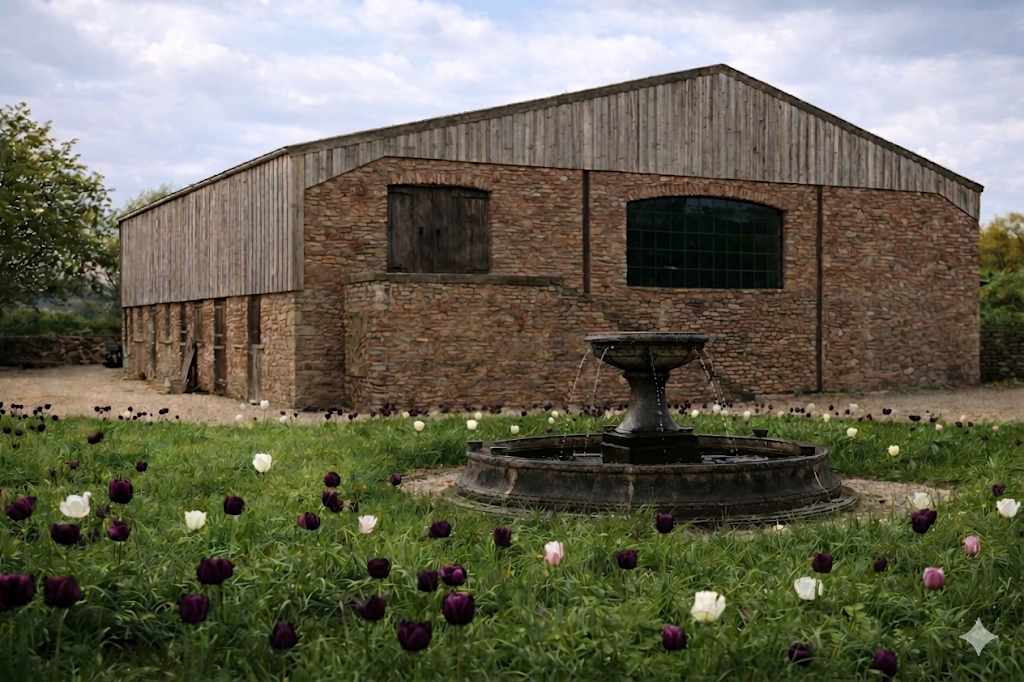
WHAT A PLACE CAN DO TO A PLANT
One farm could never hold the whole story.
We could have focused on bringing plants from around the world to our farm, asking each one to adapt to our soil and our climate.
But that was never the challenge that excited us.
We wanted to know what a place could do to a plant: how an old orchard gives fruit its depth; how a citrus coast holds light in its peel; how altitude, weather, water and soil can make a familiar plant become something remarkable.
So we're slowly building a different kind of farming estate.
One built on chemistry, not acres.
Functional Farming®
What if farmers were rewarded for what their plants contain?
For generations, agriculture has rewarded yield, size and appearance. But the most beautiful fruit isn't necessarily the most interesting, chemically.
We believe there's another way to value a harvest.
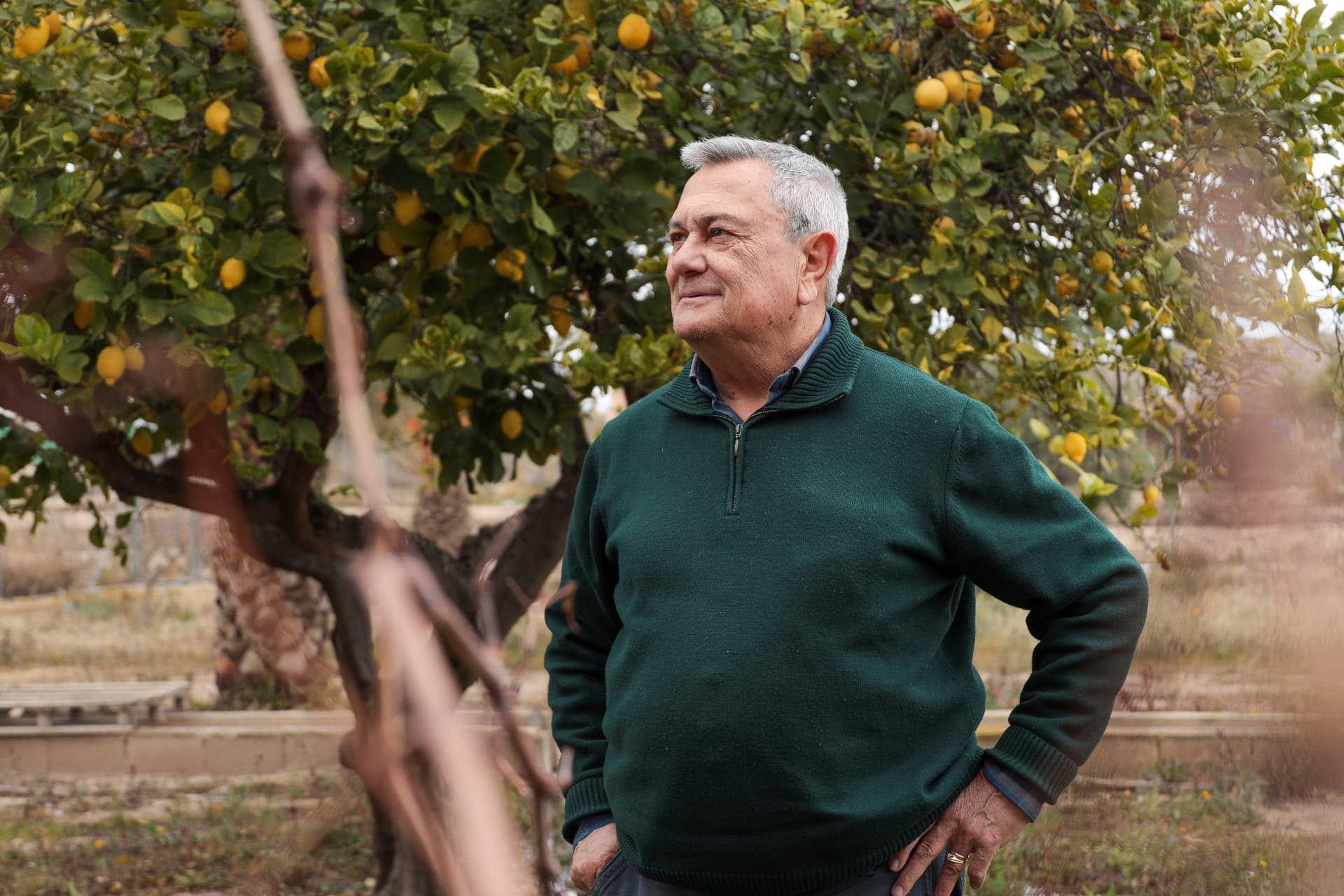
Through Functional Farming®, we want to reward growers for the measurable chemistry of their plants — their nutrient density, diversity of natural compounds and the qualities that make each harvest exceptional.
By measuring each harvest we can pay for more than weight alone. 1% of the net revenue of the company is used as a bonus for our growers to reward them for capturing the full potential of their plants.
Better value for growers. More remarkable products for our customers.
The ambition is simple: to make growing for exceptional chemistry more economically rewarding than growing for yield.
Explore functional farming.The search has begun
The first landscapes guiding our search.
Each has its own climate, soil, light and altitude which has the potential to give its plants a unique make up.
Research landscape
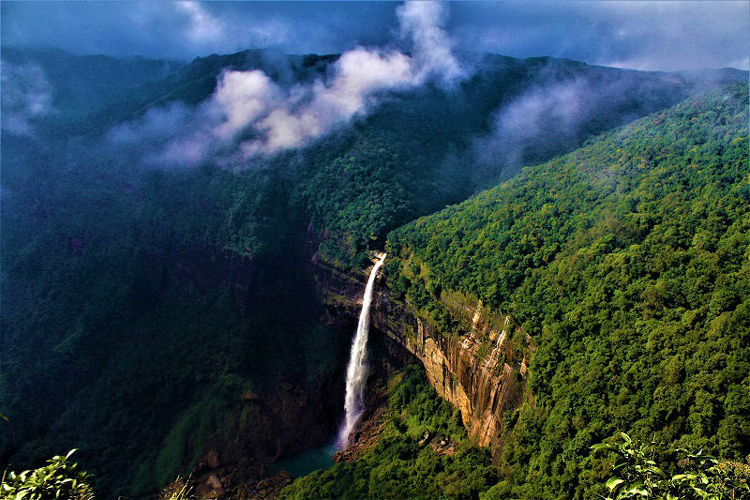
Meghalaya · India
What it gives
Monsoon rainfall · high plateaus · forest canopies
Explore Meghalaya plants.
Research landscape
The Swedish Arctic
What it gives
Cold nights · peat bogs · continuous summer light
Explore Arctic plants.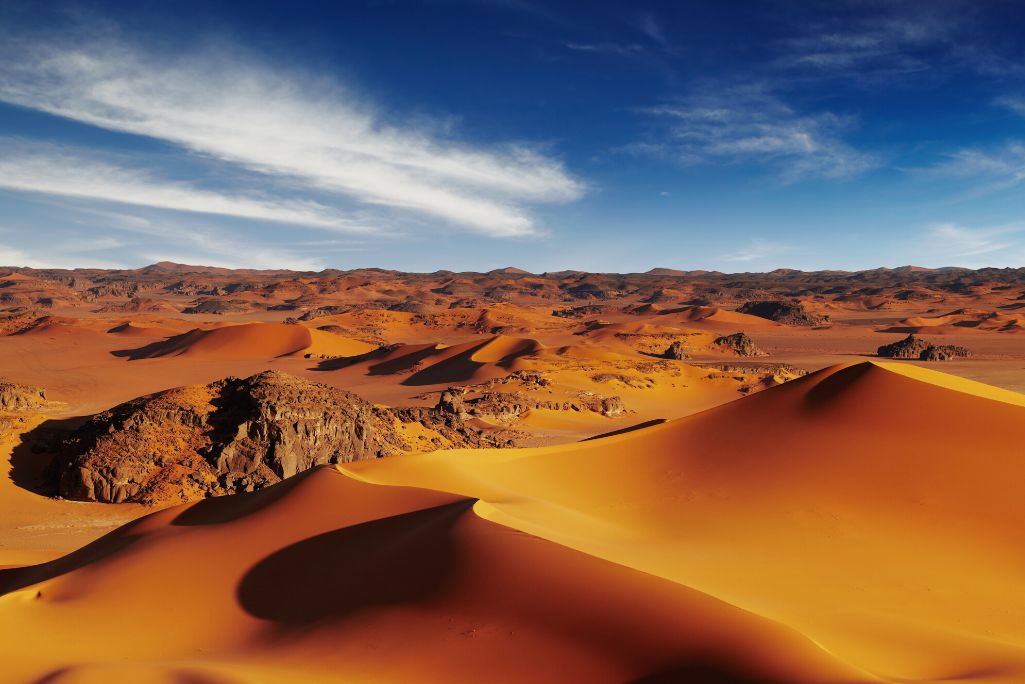
Research landscape
Sahara · North Africa
What it gives
Extreme drought · heat · intense sun
Explore Saharan plants.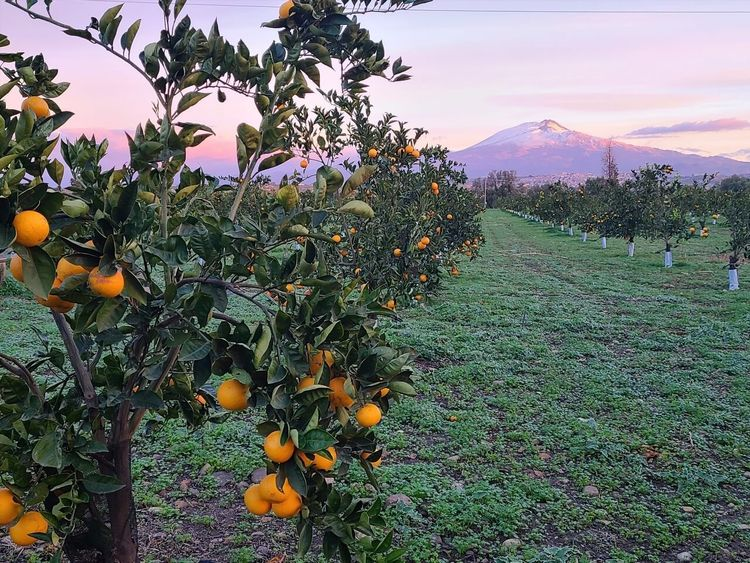
Research landscape
Sicily · Italy
What it gives
Volcanic soils · coastal heat · heritage citrus
Explore Sicilian plants.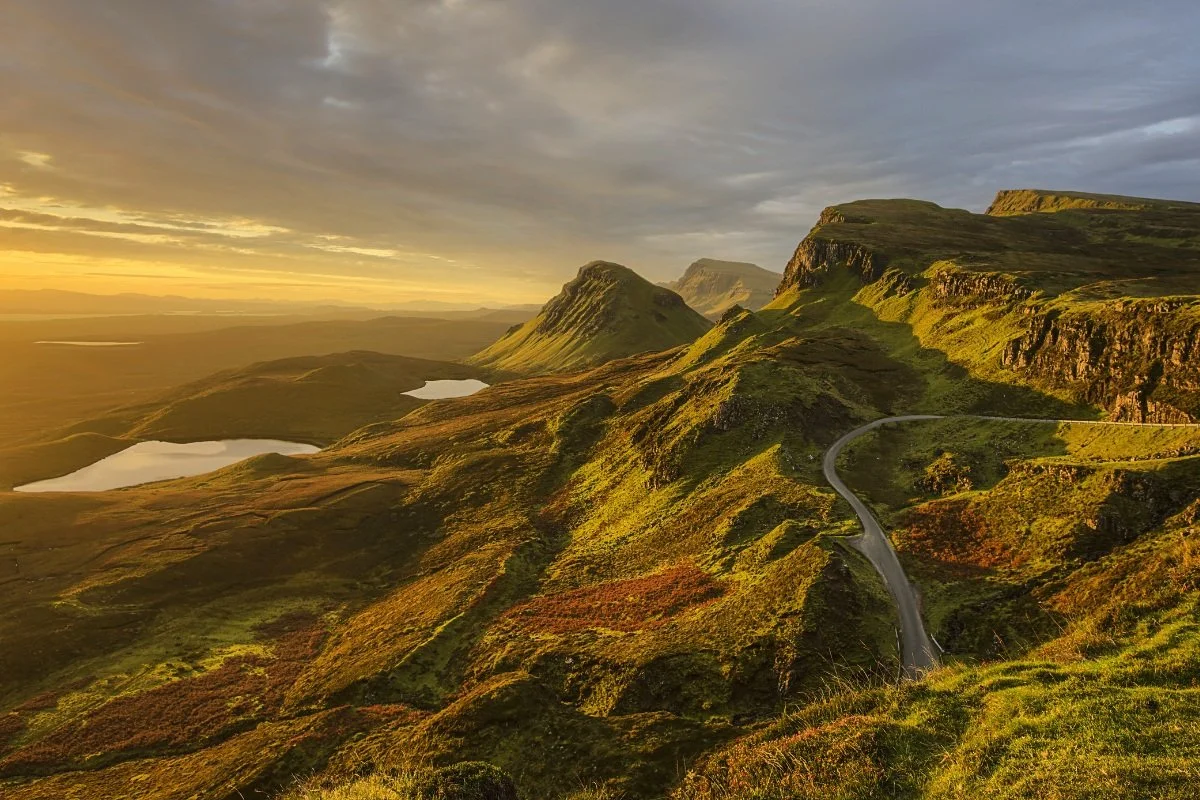
Research landscape
Highland · Scotland
What it gives
Cool temperate light · acid soils · open moorland
Explore Scottish plants.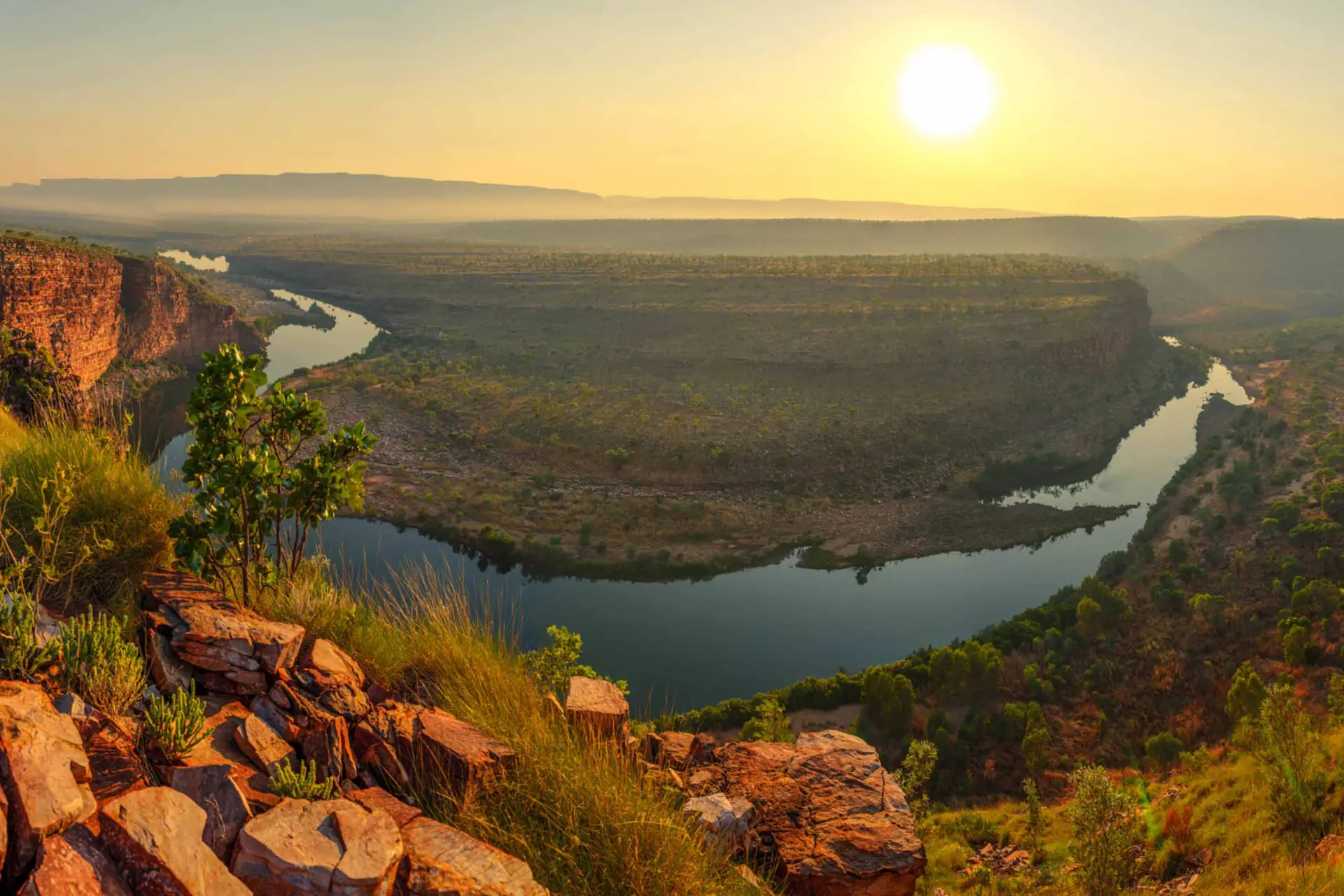
Research landscape
Kimberley · Australia
What it gives
Monsoon heat · long dry season · ancient soils
Explore Australian plants.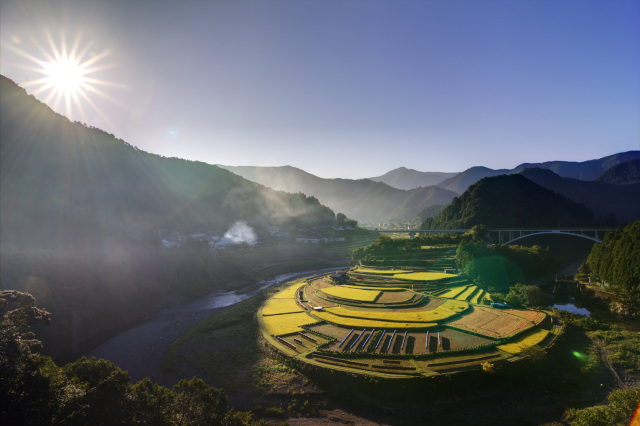
Research landscape
Wakayama · Japan
What it gives
Humid heat · steep valleys · maritime rainfall
Explore Japanese plants.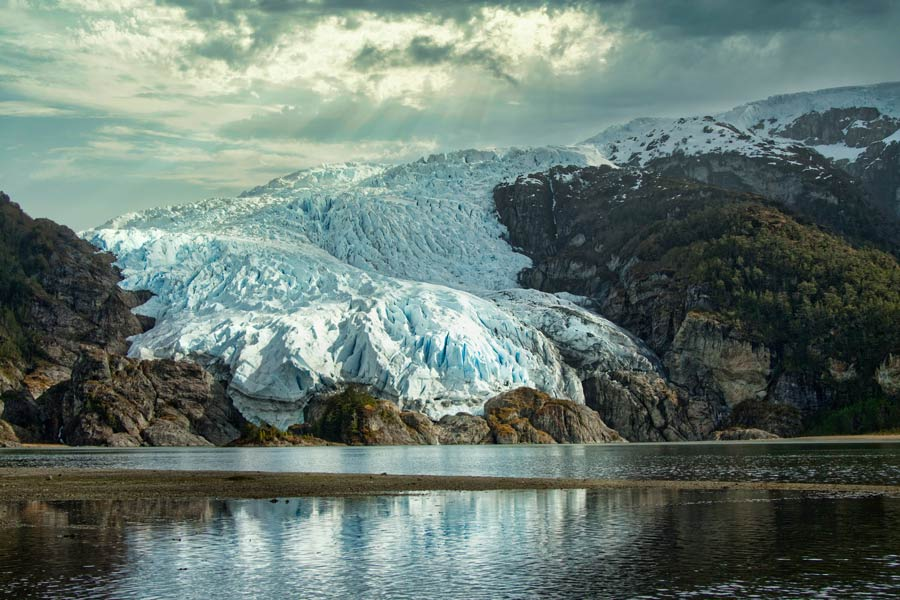
Research landscape
Patagonia · Chile
What it gives
Cool maritime climate · wind · long summer daylight
Explore Patagonian plants.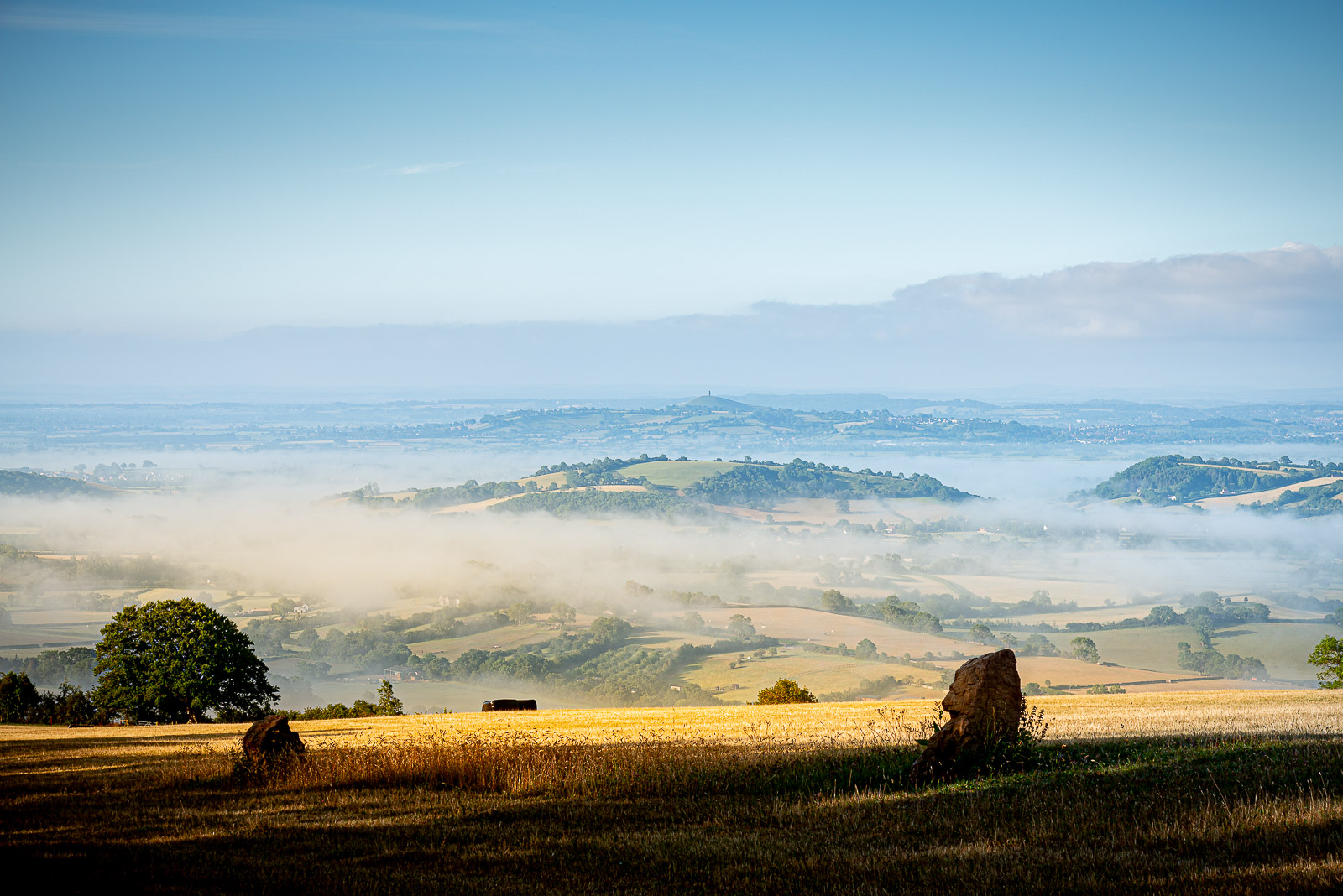
The search continues
Follow the Estate as it grows.
The growers, harvests and landscapes behind each edition — as they happen, on Instagram.
Explore the editions.